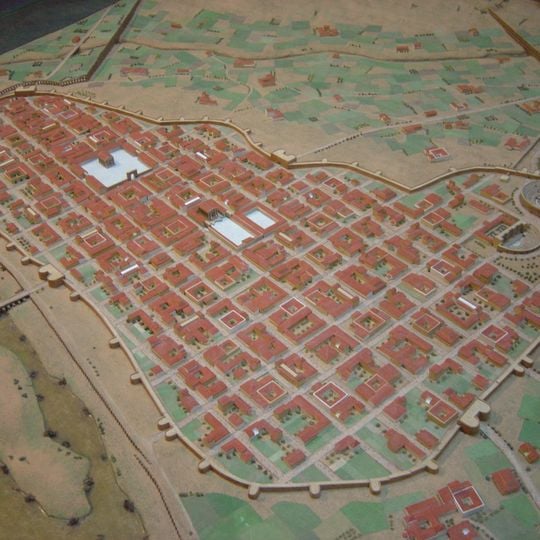
Emerita Augusta, Roman archaeological site in Mérida, Spain
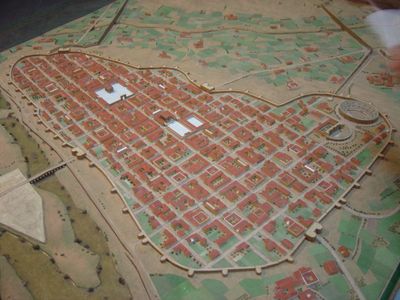
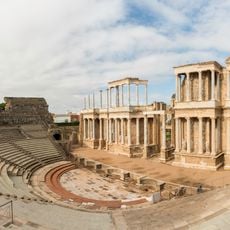
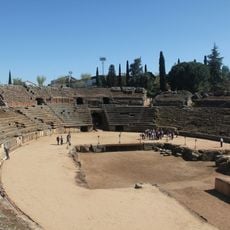
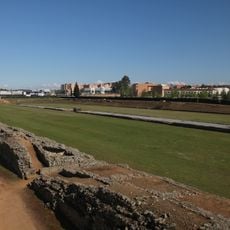
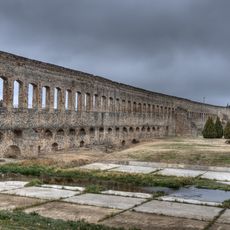
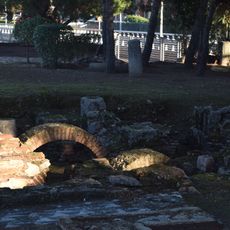
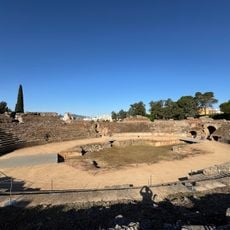
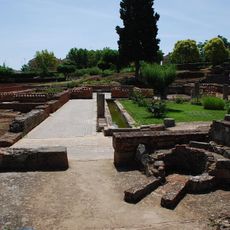
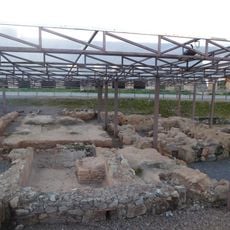
Emerita Augusta is a sprawling Roman archaeological site that extends across large parts of the modern city of Mérida in western Spain. Visible remains include a large theater with a semicircular seating area, an oval amphitheater for public games, several temple ruins, traces of residential quarters with floor mosaics, and two stone bridges that still cross the river today.
Augustus founded the colony in 25 BCE as a home for retired soldiers from two legions after the end of the Cantabrian Wars in northern Iberia. The settlement grew into a major administrative center for the Roman province of Lusitania and kept that role for several centuries until the fall of the Western Roman Empire.
Visitors walk along streets laid out by Roman engineers and pass columns that once framed the forum where merchants traded and officials met. The layout of the old colonia still shapes how people move through parts of the modern city center.
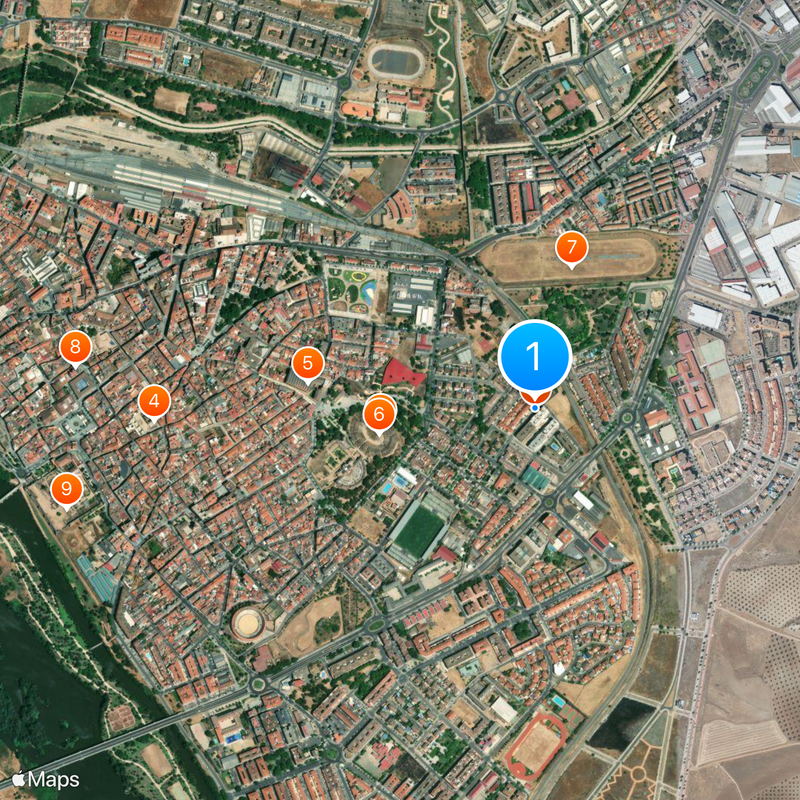
The remains are scattered throughout the city, so visitors should plan for longer walks between individual monuments. A combination of comfortable shoes and a map or phone app helps with navigation between the theater, the amphitheater, and the other ruins.
The local museum preserves inscriptions that document the names and origins of individual legionaries who settled here after their service. Some tombstones even show the faces of these soldiers in carved portraits.
The community of curious travelers
AroundUs brings together thousands of curated places, local tips, and hidden gems, enriched daily by 92,864 contributors worldwide.