Mérida, Roman archaeological site in Extremadura, Spain
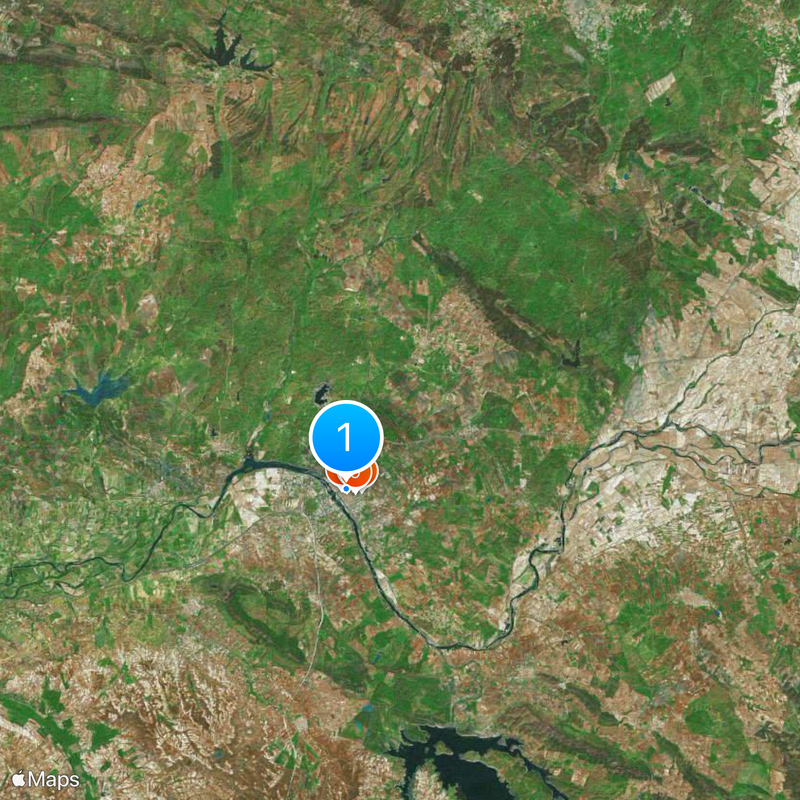
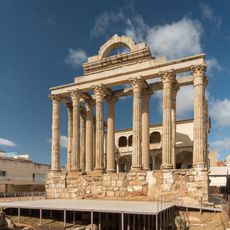
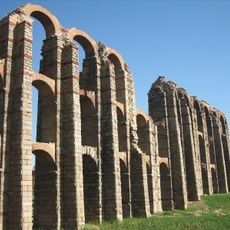
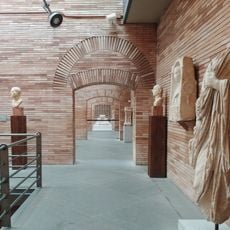
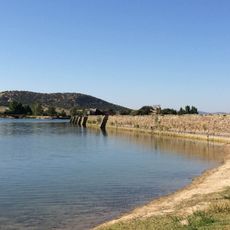
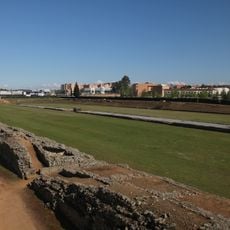
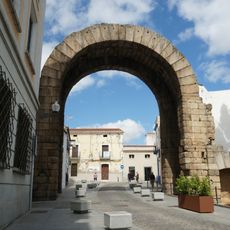
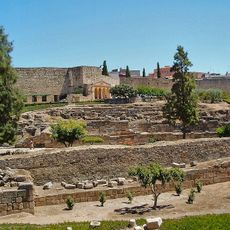
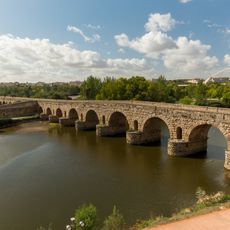
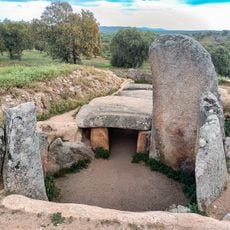
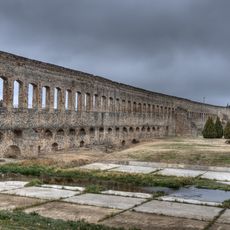
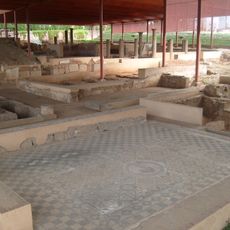
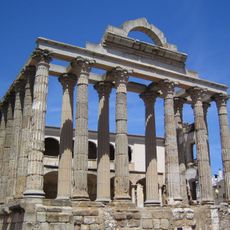
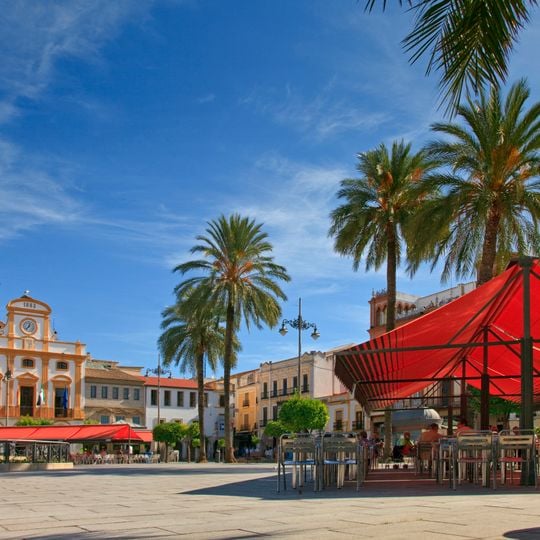
Mérida is a municipality in Badajoz province, Extremadura, spread along the Guadiana River with Roman temples, a theater, an aqueduct and several residential districts. The archaeological remains lie both in the town center and in the surrounding fields, where foundations and columns appear among modern buildings.
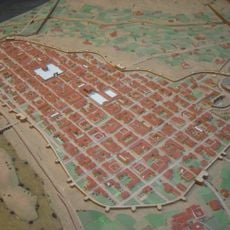
Emperor Augustus founded the settlement in 25 BCE for retired legionaries who received land after decades of military campaigns. It became the capital of Lusitania province and held that role for over three centuries, until the Visigothic conquest in the fifth century changed its importance.
The name comes from Augusta Emerita, referring to the Roman veterans who settled here after military service. Today visitors see Latin inscriptions on many buildings and experience a summer festival where actors in period costumes walk through the streets performing classical plays in the ancient theater.
Most Roman sites lie close together and can be explored on foot within a few hours, though shade is limited during summer months. Visitors planning to see all monuments should allow a full day and wear comfortable shoes, as many paths are uneven and stairs lead to viewing platforms.
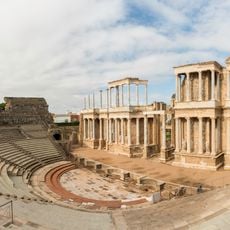
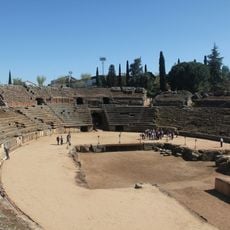
The theater was built so morning sunlight illuminates the stage from behind and casts shadows over the audience seating. Archaeologists discovered channels beneath the seats that likely carried water for staged sea battle performances in the arena.
The community of curious travelers
AroundUs brings together thousands of curated places, local tips, and hidden gems, enriched daily by 90,868 contributors worldwide.