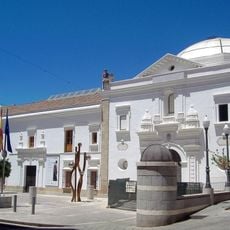
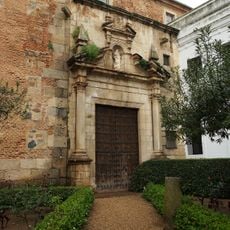
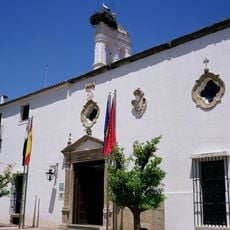
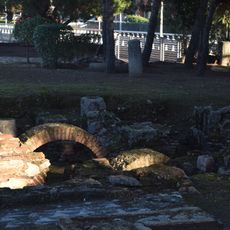
Archaeological Ensemble of Mérida, Roman archaeological complex in Mérida, Spain
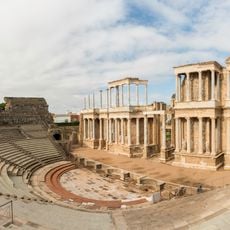
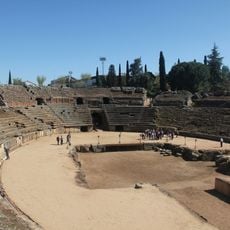
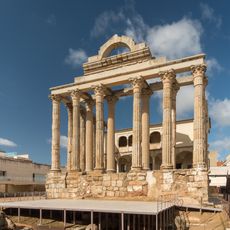
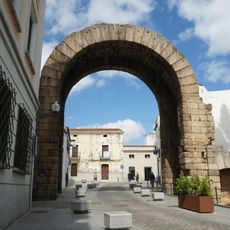
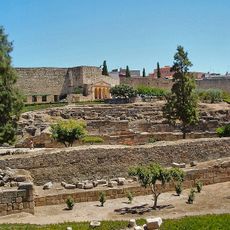
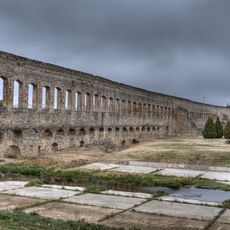
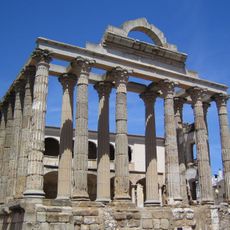
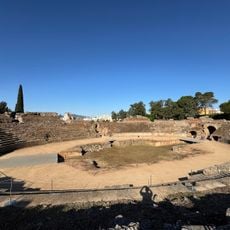
The Archaeological Ensemble of Mérida is a UNESCO-listed Roman complex spread across the city, with the theatre, amphitheatre and circus grouped on the San Albán hill and the Guadiana bridge, the Albarregas bridge, the Los Milagros aqueduct and the Temple of Diana standing elsewhere. The theatre's stage wall has two levels of columns, and the circus spina measures 223 m.
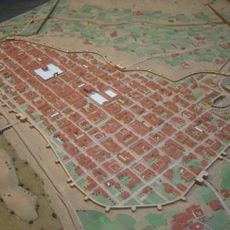
Emperor Augustus founded this settlement in 25 BC as a home for retired Roman soldiers, establishing it as the capital of Lusitania province. The site grew over centuries into a major Roman city with grand public buildings.
The Roman Theater still hosts classical performances today, letting audiences experience how ancient people gathered for plays and spectacles right there in that same space.
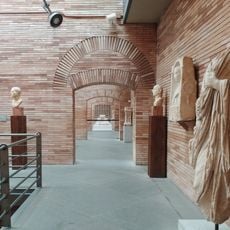
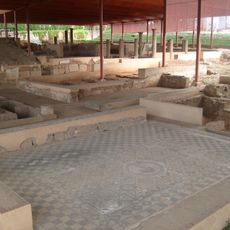
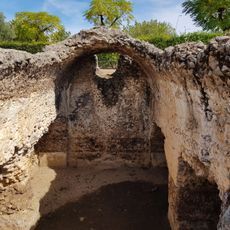
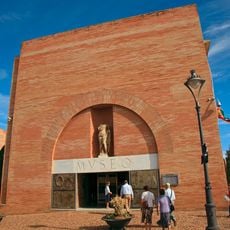
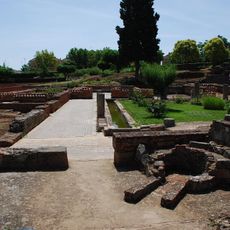
The National Museum of Roman Art displays excavated objects and allows you to walk through underground ruins with guided tours available. Exploring the outdoor structures works best during cooler months.
The Roman bridge over the Guadiana was extended at least five times in antiquity so the road would not be cut during floods; it now measures 792 m. Its central island support was replaced by arches after a flood in 1603.
The community of curious travelers
AroundUs brings together thousands of curated places, local tips, and hidden gems, enriched daily by 95,293 contributors worldwide.