Murcia, Wine classification region in southeastern Spain
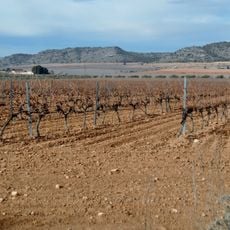
The Murcia wine region in southeastern Spain encompasses three protected appellations: Yecla, Jumilla, and Bullas, where Monastrell grapes cover about 85 percent of the vineyard land. Over 32,000 hectares of vines spread across hills and plateaus, producing full-bodied wines with robust tannin profiles.
Winemaking in this area traces back to Phoenician settlers, but reputation grew sharply in the 19th century when French producers arrived seeking Monastrell grapes during the phylloxera crisis. This unexpected demand from France transformed the region into a significant wine producer in Europe.
Winemakers here blend traditional methods with modern approaches, and visitors see in the wineries how old wooden barrels sit alongside contemporary equipment. The way wine is made reflects local identity and remains deeply rooted in daily life.
Visitors can tour wineries in Jumilla and surrounding towns, where guided tastings show production methods and techniques. The best time to explore is in autumn during harvest season, when the entire region becomes active.
Higher-altitude areas like Bullas produce wines with particularly intense color due to the mix of Mediterranean and continental climate influences. This natural combination of different climate zones makes wines here distinctly different from those in other regions.
The community of curious travelers
AroundUs brings together thousands of curated places, local tips, and hidden gems, enriched daily by 60,000 contributors worldwide.