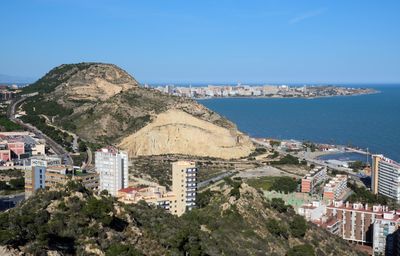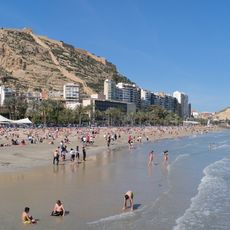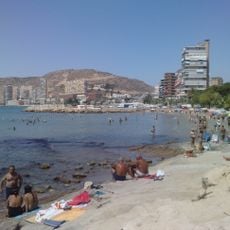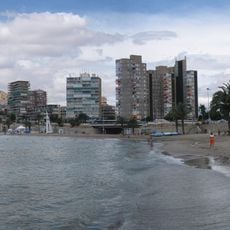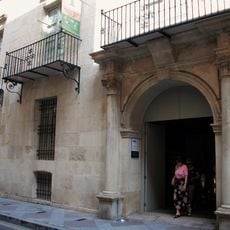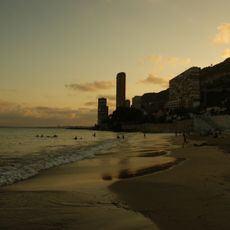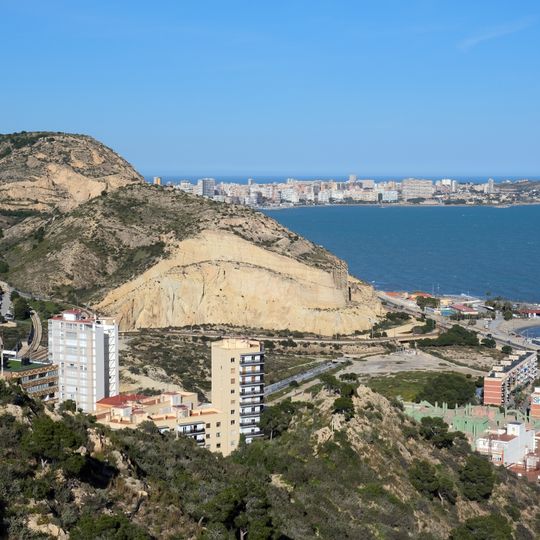
Serra Grossa de Alicante, Mountain range in Alicante, Spain.
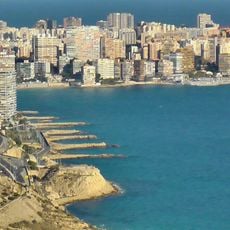
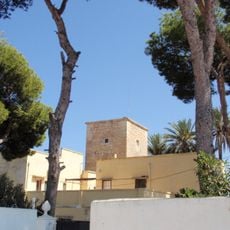
Serra Grossa, also called Sierra de San Julián, is a rocky limestone elevation of 173 metres facing the Mediterranean in Alicante. It covers 80 hectares and consists of two hills, the smaller western one being the Cerro del Molinet or de Santa Ana, where the remains of a hermitage destroyed in 1823 can still be seen. Its steep slopes are cut by numerous faults, making the terrain unstable.
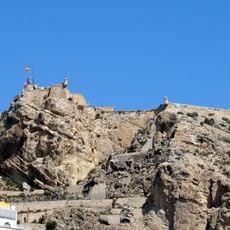
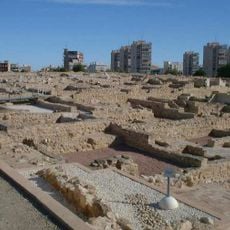
The Sierra Grossa's documented military role dates from the Spanish Civil War, when trenches, sentry boxes and an anti-aircraft system were built on its two limestone hills. Remains of these structures survive and are being safeguarded against vandalism. After the war, the Campo de los Almendros was set up at the western foot of the range.
Locals call the range Malhivern, a Valencian seafaring term. On 26 July, people once climbed to the Cerro de Santa Ana in a popular romería to the hermitage of Saint Anne, built in 1427, damaged by English bombardment in 1706 and demolished in 1823; its remains can still be seen.
Hiking trails start from Bishop Victorio Oliver Street, with a main route spanning about 5 kilometers and taking roughly 90 minutes to complete. It is advisable to wear sturdy footwear and bring plenty of water, especially on warmer days.
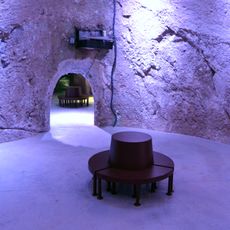
The refinery began in 1875 as La Británica, converted from an earlier ironworks that kept the same commercial name; Campsa took it over in 1929. After the Civil War and World War II, fuel tanks were hidden and galleries were bored beneath Cerro de Santa Ana for two decades, the only underground refinery Campsa built in Spain. It closed and was dismantled by 1979.
The community of curious travelers
AroundUs brings together thousands of curated places, local tips, and hidden gems, enriched daily by 95,501 contributors worldwide.