International Exposition 1867, World's Fair in France
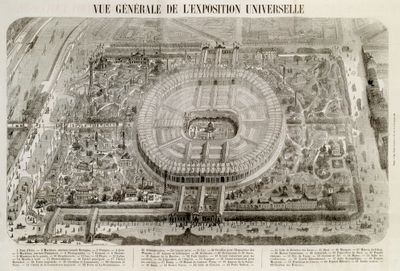
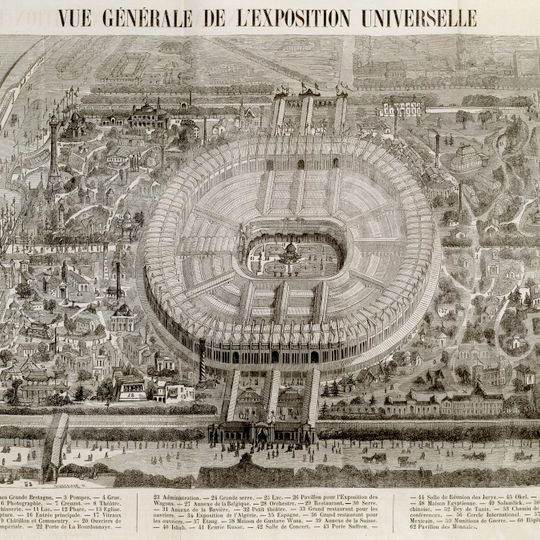
The International Exposition of 1867 was a world's fair in Paris that filled large pavilions with products, machinery, and crafts from many countries. The site was large enough to attract tens of thousands of visitors who came to see the latest inventions and the range of production from around the world.
The exposition took place during the reign of Emperor Napoleon III and displayed France's wealth and technical progress during that time. It was one of the largest events of the Second Empire and drew visitors and exhibitors from many parts of the world.
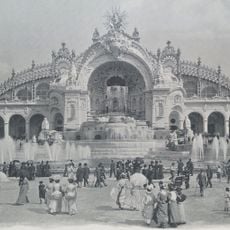
The fair displayed crafts and products from many countries in large pavilions, letting visitors discover manufacturing and design traditions from around the world. This presentation of global craftsmanship turned the exposition into a place where different traditions could be seen and compared.
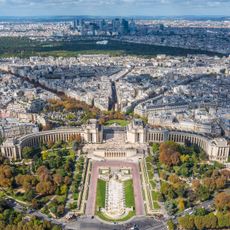
The exposition grounds were centrally located and easy to reach by public transport, making it accessible to many visitors. The best time to visit was usually in spring or early fall when the weather was pleasant and crowds were more manageable.
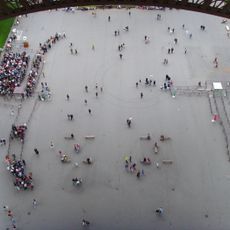
The exposition was one of the first major events in Europe where spaces were systematically organized to direct visitor flow and prevent bottlenecks. This early approach to managing crowds showed that organizers already understood how to handle large numbers of people moving through a single site.
The community of curious travelers
AroundUs brings together thousands of curated places, local tips, and hidden gems, enriched daily by 90,767 contributors worldwide.