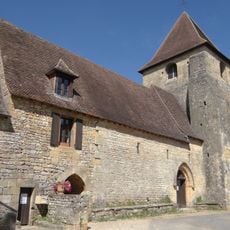
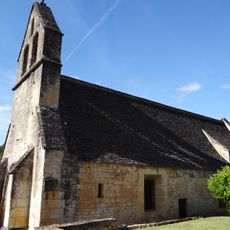
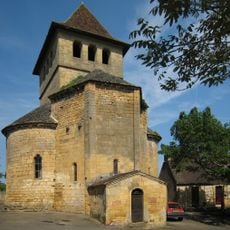
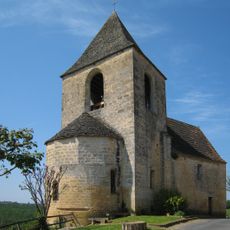
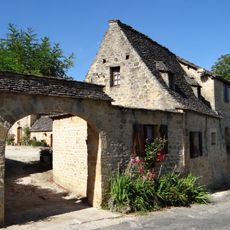
Laussel, Archaeological site in Dordogne, France
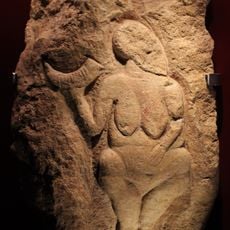
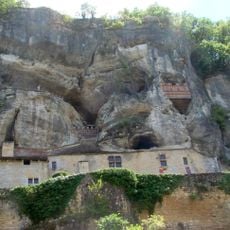
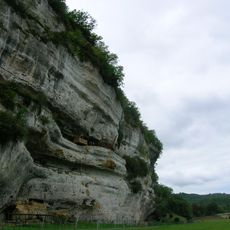
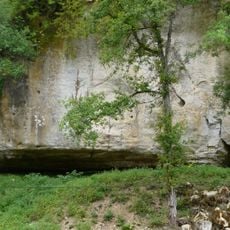
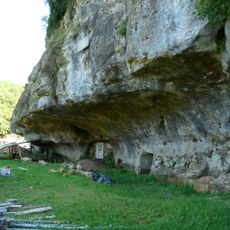
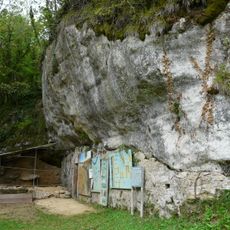
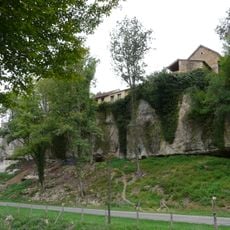
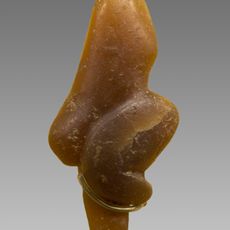
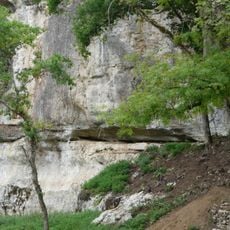
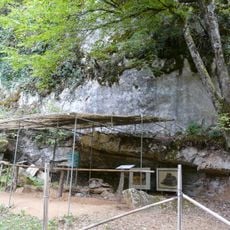
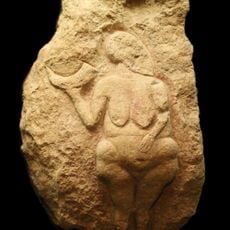
Laussel is a prehistoric rock shelter in the Dordogne region where researchers discovered limestone figures and carved blocks. The site contains multiple sculptures including female forms and what appears to be a hunter figure from the Gravettian period.
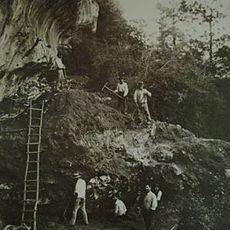
The rock shelter was discovered in 1911 by Jean-Gaston Lalanne and revealed works from the Gravettian period around 25,000 years ago. This era marked a significant moment when early people began expressing their thoughts and beliefs through carved art.
The Venus figure here shows carvings that reveal how people thought about fertility and female forms in ancient times. These depictions offer insight into the worldview of early inhabitants and how they perceived their surroundings.
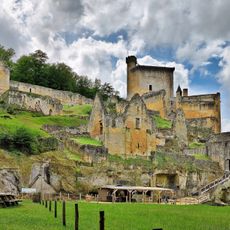
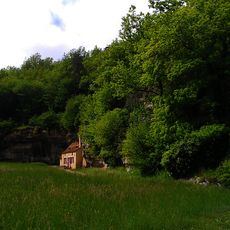
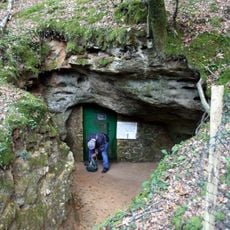
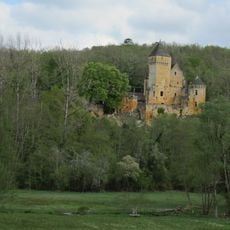
The original finds are now displayed at the Museum of Aquitaine in Bordeaux rather than at the site itself. Visitors should know that the location is a rock formation best explored on foot to see the setting where these ancient carvings were discovered.
One of the figures holds a bison horn with carved lines that may represent time periods or cycles. These details suggest that people at that time were already trying to understand and record patterns and rhythms in their world.
The community of curious travelers
AroundUs brings together thousands of curated places, local tips, and hidden gems, enriched daily by 90,805 contributors worldwide.