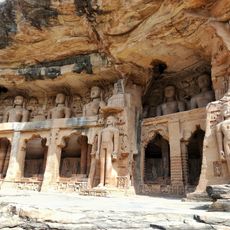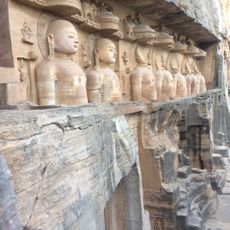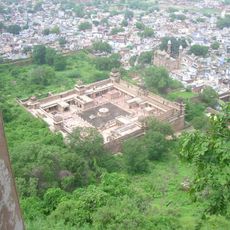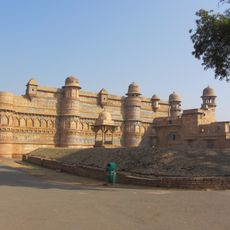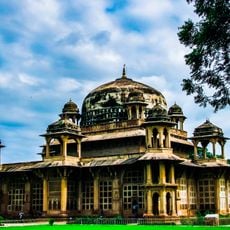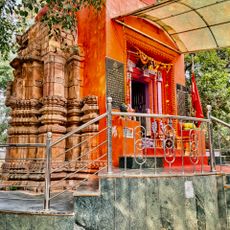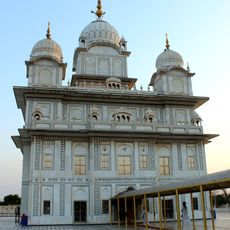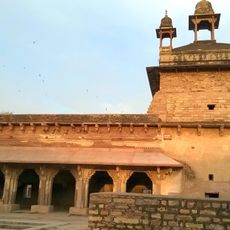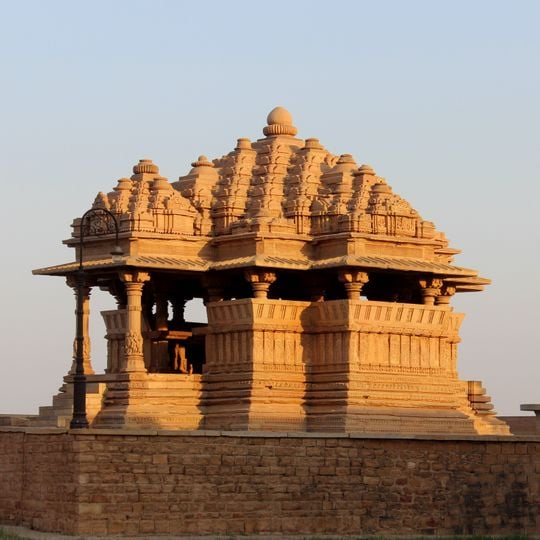
Sasbahu Temple, Hindu temple in Gwalior Fort, India
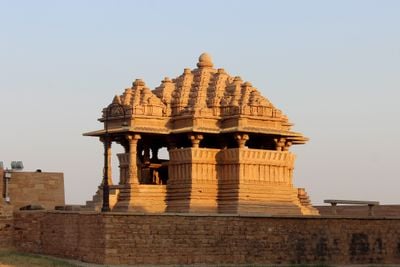
Sasbahu Temple comprises two side-by-side structures adorned with finely carved surfaces featuring detailed relief sculptures and ornamental floral patterns across all walls. Every stone displays craftsmanship from the foundation level to the peaks of the rising towers.
King Mahipala of the Kachchhapaghāta dynasty built these temples in 1093, establishing them as centers of worship within the fortified complex. The construction reflected an era of artistic growth and architectural advancement in the region.
The temples display stone carvings showing Hindu gods like Brahma, Vishnu, and Saraswati, allowing visitors to see how multiple aspects of faith are expressed through art. These representations make the spiritual beliefs visible to anyone walking through and observing the decorated walls and pillars.
The temple complex is accessible through the main gates of Gwalior Fort, with photography allowed throughout the site. The grounds are easy to explore on foot since the two temples stand close together and can be viewed from several vantage points within the fort.
The name Sas Bahu means "mother-in-law" or "a mother with her daughter-in-law", an association implying the two temples stand together and depend on each other. The larger Saas temple was built for King Mahipala's Vaishnava wife and the smaller Bahu temple for his Shiva-devotee daughter-in-law, as recorded in an inscription deciphered by Alexander Cunningham.
The community of curious travelers
AroundUs brings together thousands of curated places, local tips, and hidden gems, enriched daily by 94,565 contributors worldwide.