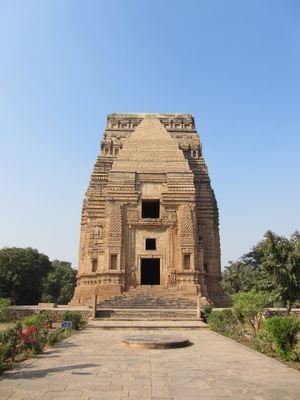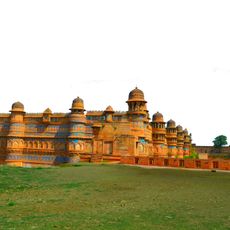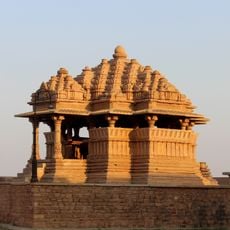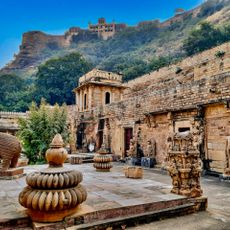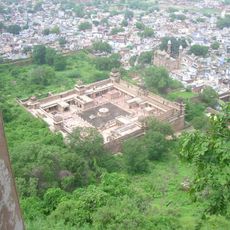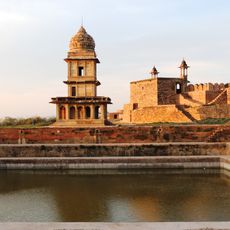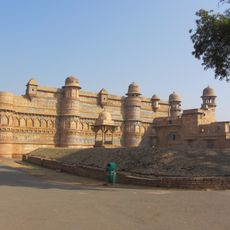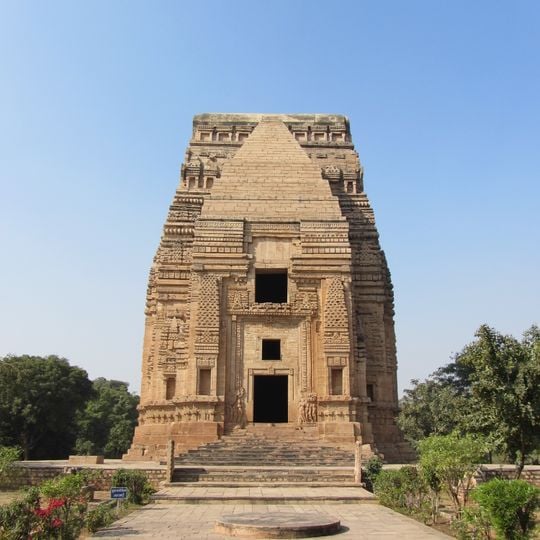
Teli ka Temple, Hindu temple in Gwalior Fort, India.
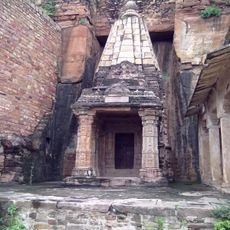
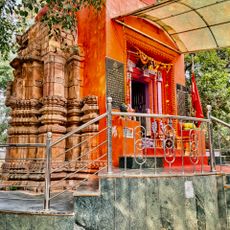
Teli ka Temple is a Hindu shrine within Gwalior Fort standing approximately 30 meters tall with a rectangular sanctum carved in detail. River goddesses, coiled serpents, and flying Garuda figures decorate the arched roof above.
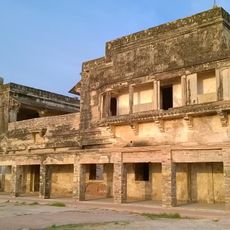
The temple was built between the early 8th and early 9th century CE, with Michael Meister dating it to about 750 CE from inscriptions found in Gwalior; Bajpai links it to the reign of the Gurjara-Pratihara Mihira Bhoja. In 1232 CE the forces of Qutb-ud-din Aibak and Iltutmish damaged it during raids on the fort's temples, and ruined parts were reused for a nearby mosque. Major Keith of the Royal Scots Regiment had it repaired between 1881 and 1883.
The name means "Oilman's Temple", though no inscription or text explains it; local lore credits oil-merchant caste builders rather than kings or priests. Inscriptions inside include a metrical hymn to Durga, and a 15th-century record shows the shrine was Shaiva by then. At the doorway, Ganga and Yamuna lean toward the centre, with mithuna couples above them.
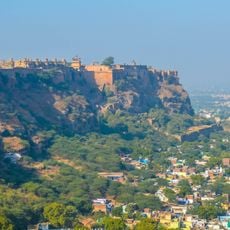
The temple stands on a high point inside Gwalior Fort, so it is reached on foot from the fort's main entrance and then up the short flight of stone steps at the east doorway. The sanctum is entered through a banded doorway carved with the river goddesses Ganga and Yamuna; a circumambulatory path with four cardinal entrances allows a devotee to walk around it. The niches in the walls are empty and the upper ornaments are lost, so the tower is best seen from a distance within the fort.
The temple's name means "Oilman's Temple", yet no inscription or text records that name; local folklore says an oil-merchant caste, not kings or priests, paid for it. Art historian Hermann Goetz called the building a masterpiece of late Gupta-era Indian art.
The community of curious travelers
AroundUs brings together thousands of curated places, local tips, and hidden gems, enriched daily by 92,684 contributors worldwide.