Gujari Mahal Archaeological Museum, Archaeological museum in Gwalior, India
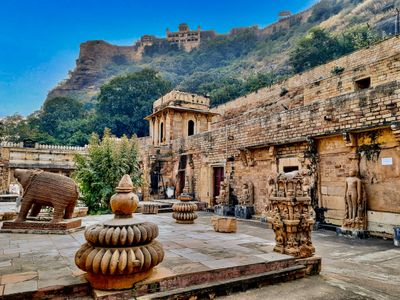
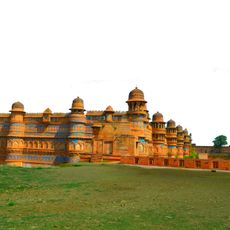
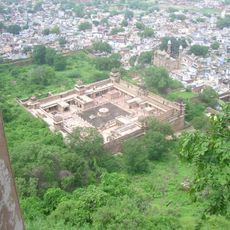
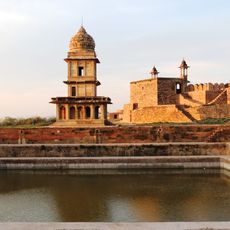
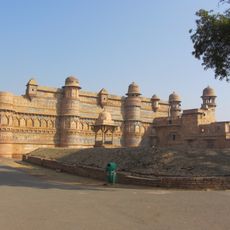
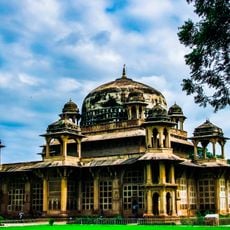
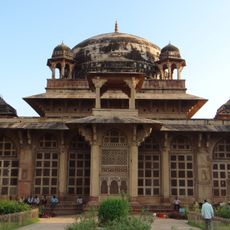
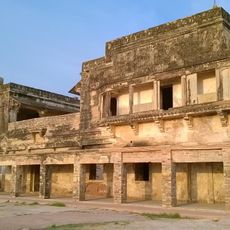
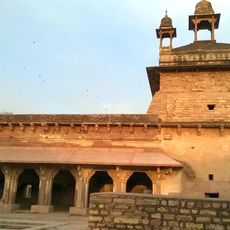
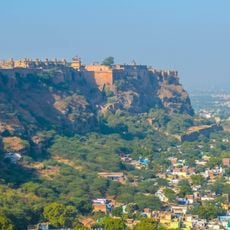
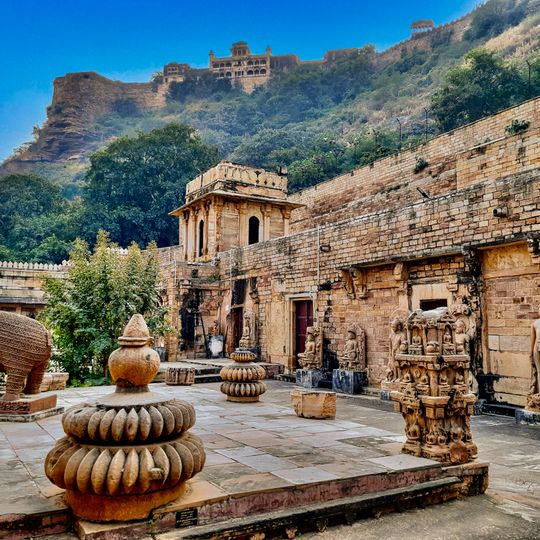
Gujari Mahal Archaeological Museum is housed in a medieval palace within Gwalior Fort, constructed from locally quarried sandstone blocks. The building spans multiple floors with 28 exhibition rooms, each organized by historical period and object type to display ancient sculptures, statues, bronze works, stone carvings, and other artifacts.
The palace was built between 1486 and 1516 by King Man Singh Tomar as a residence for Queen Mrignayani, who came from the village of Mainhar Rai. Over time it transitioned from a royal dwelling to a museum, preserving archaeological discoveries from across the region.
The collection reflects the artistic traditions of Central India, with sculptures and statues created by craftspeople working for successive rulers over many centuries. These works show how local artisans adapted their styles to match the tastes and beliefs of different periods and kingdoms.
Plan to spend several hours exploring the different rooms and floors, as the collection is spread across the entire building. Wear comfortable shoes since there are many stairs to climb and the layout requires walking through multiple levels.
The palace originally featured an intricate water channel system that transported water directly from the Rai River to the building. This engineering solution was built specifically to fulfill the queen's preference for water sourced from her native village.
The community of curious travelers
AroundUs brings together thousands of curated places, local tips, and hidden gems, enriched daily by 60,000 contributors worldwide.