Garmisch-Partenkirchen, District town in Upper Bavaria, Germany
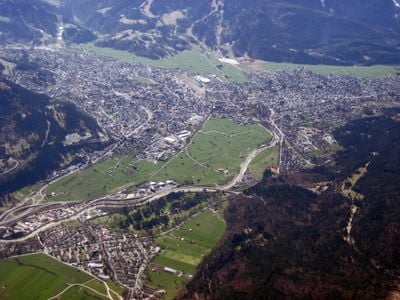
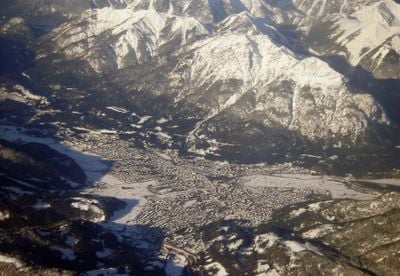
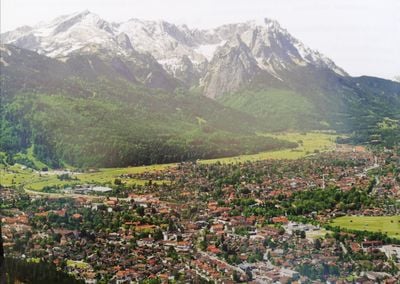
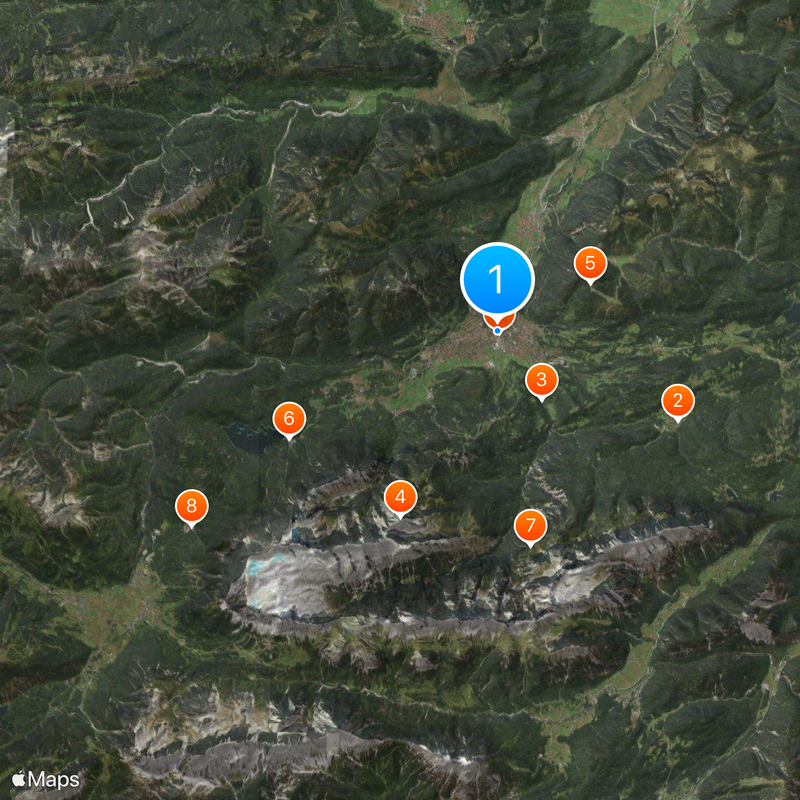
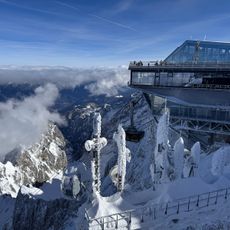
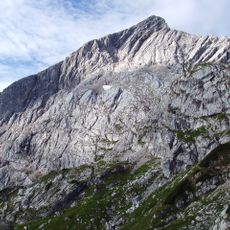
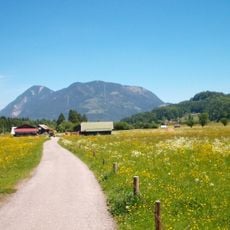
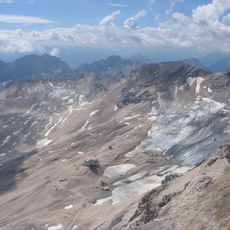
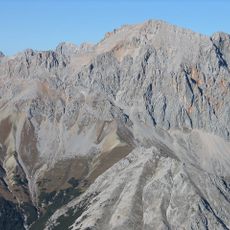
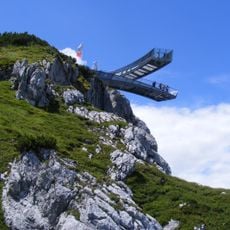
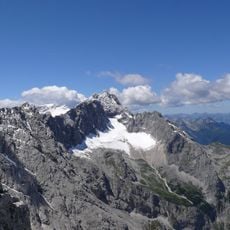
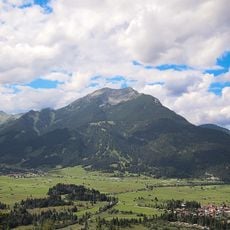
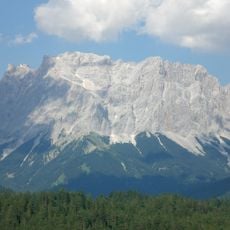
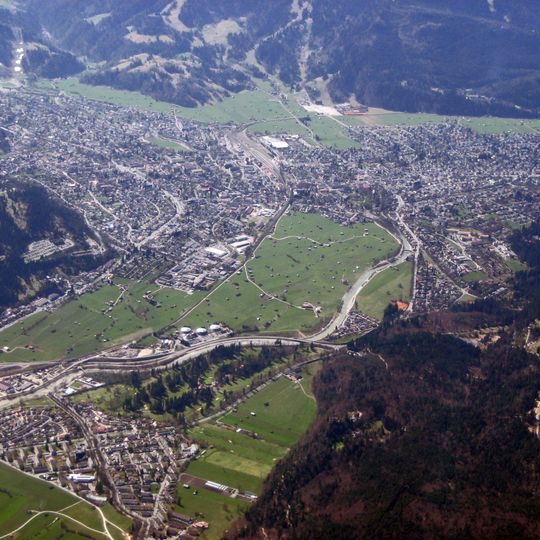
Garmisch-Partenkirchen is a twin town at the foot of Zugspitze in Upper Bavaria, extending along several valleys between forested slopes and alpine meadows. Built-up areas concentrate around two historic cores with their own pedestrian zones, while hamlets and individual farms scatter toward the forest boundaries.
The two settlements existed for centuries as independent communities with separate markets and administrations until they merged through government decree in 1935. Both places developed from medieval trading stations on the route between Italy and northern Bavaria.
The twin settlements merged in 1935 through political decision yet still maintain separate parish churches and market squares in their respective centers. Visitors notice the transition between neighborhoods while walking along Ludwigstraße, where the two original village cores face each other with their distinct church steeple silhouettes.
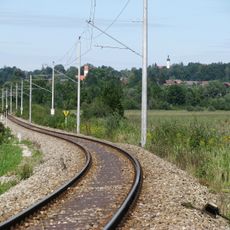
Most shops and restaurants sit in the two pedestrian zones, each reachable from the local railway station. Hiking trails begin directly at several town exits and lead into different elevations of the surrounding mountains.
The Partenkirchen neighborhood sits slightly lower in the valley than Garmisch, causing noticeable differences in sunlight exposure and microclimate between the two cores. Locals take advantage of this feature and shift between the two centers for daily errands depending on the season.
The community of curious travelers
AroundUs brings together thousands of curated places, local tips, and hidden gems, enriched daily by 90,740 contributors worldwide.