Leinakanal, Medieval canal in Thuringia, Germany.
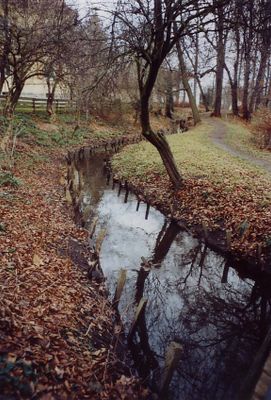
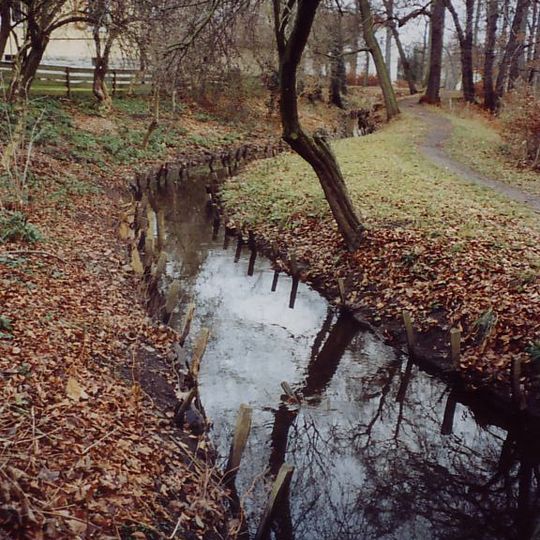
The Leinakanal is a medieval waterway that runs from the Thuringian Forest to Gotha, carrying water through engineered channels and stone conduits. The system connects various water sources and flows as an open canal for several kilometers, surviving today as both a functional waterway and a technical monument.
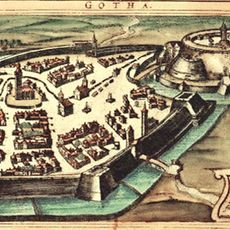
Construction of the canal began in 1369 under Landgrave Balthasar of Thuringia to supply Gotha with water. The project was led by master builder Conradus and demonstrates medieval engineering skill in creating large-scale water systems.
The canal takes its name from its water source and was essential for supplying Gotha with water for centuries. People relied on it not only for drinking water but also to power mills and other workshops along its course.
The canal is mostly accessible on foot and can be explored along its own paths, especially around Gotha. The open waterway is accessible in good weather, though rainfall can change water levels and make parts less visible.
A 19th century aqueduct crosses the Thuringian railway line while carrying the canal's water over the railway tracks. This structure shows how the system was adapted to modern infrastructure while preserving its function.
The community of curious travelers
AroundUs brings together thousands of curated places, local tips, and hidden gems, enriched daily by 92,483 contributors worldwide.