Tighennif, Archaeological site in northwestern Algeria
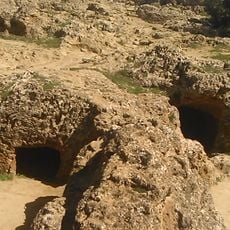
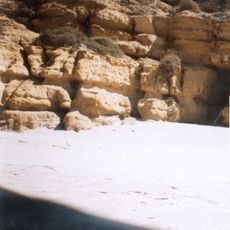
Tighennif is an archaeological site in northwestern Algeria where layers of gray clay and sand preserve remains of extinct animals such as hippopotamuses, rhinoceroses, and carnivores. These deposits come from hundreds of thousands of years ago and reveal information about the ancient environment and the creatures that inhabited it.
Excavations between 1954 and 1956 uncovered three human jawbones belonging to Homo erectus dating back approximately 700,000 years. These discoveries rank among the oldest Homo erectus fossils in North Africa and demonstrate that early humans occupied this region during that distant period.
The stone tools found at Tighennif demonstrate advanced manufacturing techniques, including the Kombewa method for creating cleavers and large scrapers.
The excavation site lies about 20 kilometers east of Mascara and is relatively easy to reach. Ongoing systematic work by researchers continues at the location, so access to certain areas may sometimes be restricted.
Tools found at this location show a rare ancient manufacturing technique known as the Kombewa method, which was used to create hand axes and large scrapers. This craftsmanship reveals the knowledge and skill of the early people who lived there in that distant age.
The community of curious travelers
AroundUs brings together thousands of curated places, local tips, and hidden gems, enriched daily by 60,000 contributors worldwide.