Pyramid of Khui, Ancient Egyptian pyramid in Dara, Egypt
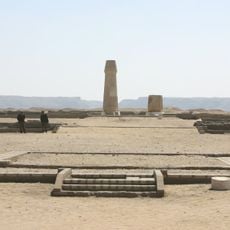
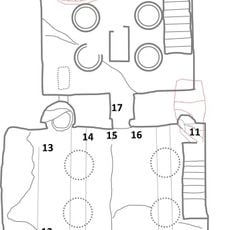
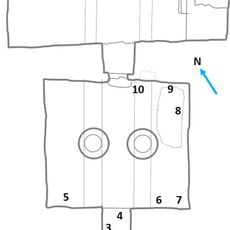
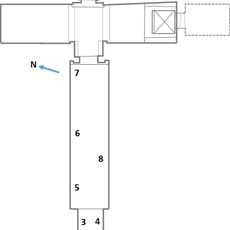
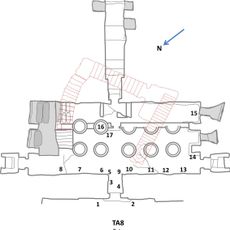
Pyramid of Khui is an ancient Egyptian burial structure with a rectangular base located in Dara. The complex features thick mudbrick walls enclosing a central hollow space, with a limestone-lined passage from the north leading to an underground chamber.
This structure was built during the First Intermediate Period around 2150 BCE and is attributed to Khui, who may have been a ruler or a regional governor. It represents a time when pyramid construction was changing across Egypt.
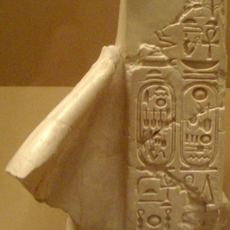
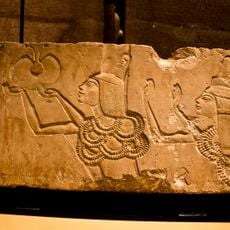
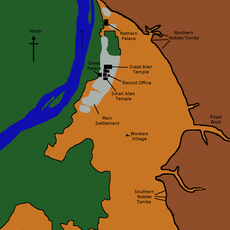
The name Khui is known only from a stone block found in a tomb just south of the pyramid, bearing his cartouche; it may have come from the lost mortuary temple. The site lies in the royal necropolis of Dara, and the mudbrick enclosure wall runs beneath the modern village of Dara.
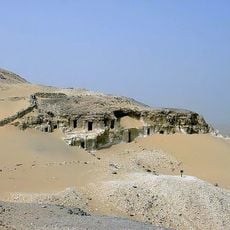
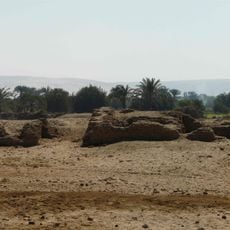
The structure stands only about 4 metres high and is largely ruined, so there is no underground access; the burial chamber lies 8.8 metres below ground and was found empty. The site is near the modern village of Dara, and part of the mudbrick enclosure wall runs under the village. The pyramid is roughly north-oriented, with the entrance corridor on the north face.
The corners of the mudbrick shell are rounded with a radius of curvature of 23 metres, a feature found in no other Egyptian pyramid. The structure survives to only about 4 metres in height, and no casing stones were ever found, so its original appearance cannot be reconstructed.
The community of curious travelers
AroundUs brings together thousands of curated places, local tips, and hidden gems, enriched daily by 93,638 contributors worldwide.