Akhmim, city in the Sohag Governorate of Upper Egypt
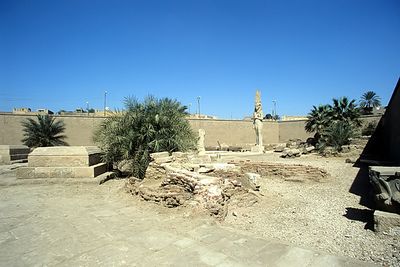
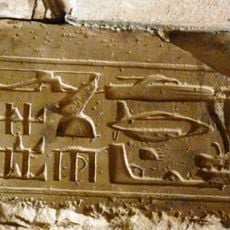
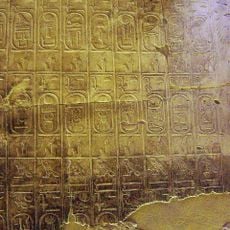
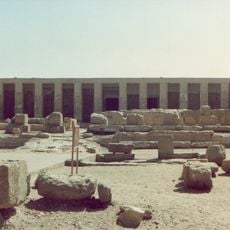
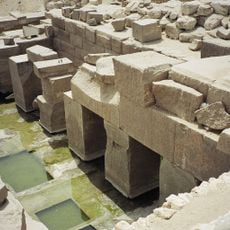
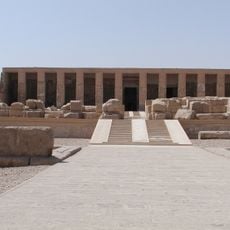
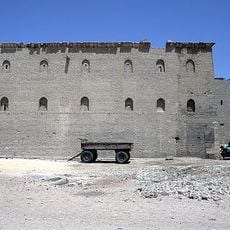
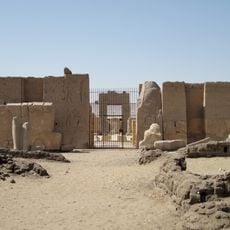
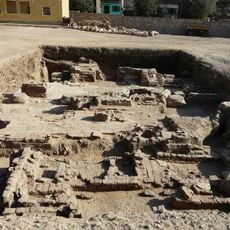
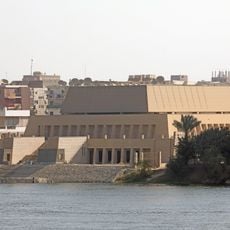
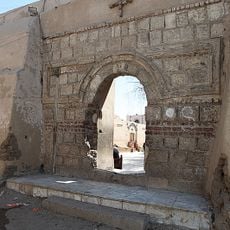
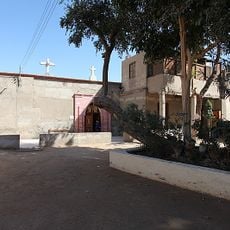
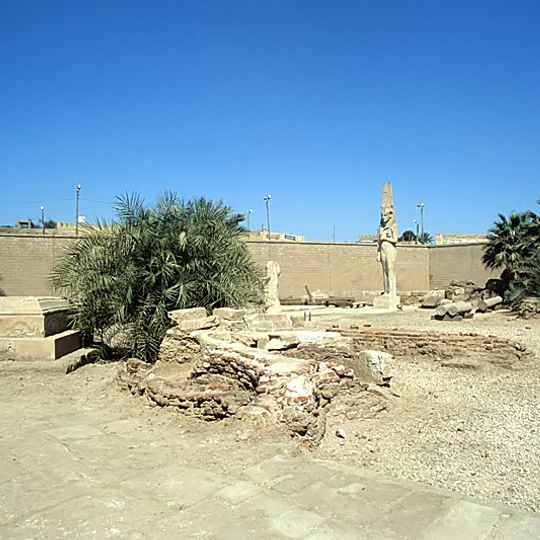
Akhmim is a city in Upper Egypt on the east bank of the Nile where people have lived for thousands of years. The town displays ancient ruins, scattered statues, and remains of temples and tombs across its surface, while the ground below holds many hidden structures from multiple historical periods.
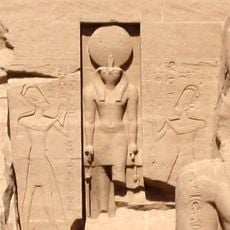
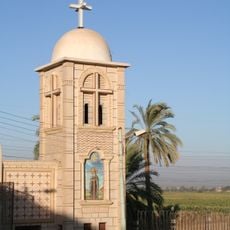
Akhmim was a center of worship for the god Min and passed through multiple ruling periods from early Egypt through the Greco-Roman era when it was called Panopolis. The city remained prominent through its religious role and trade connections, and later became an important Christian monastic center.
Akhmim was historically centered on the worship of Min, a fertility god whose cult shaped the city for millennia. Traditional crafts such as textile weaving and stonework continue in local workshops today, maintaining a direct link to ancient techniques.
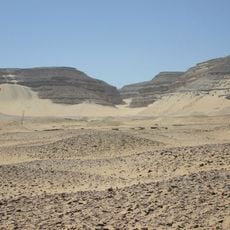
The city lies in Upper Egypt and is accessible from nearby towns. The open spaces and flat terrain allow visitors to walk between ruins and explore archaeological sites at their own pace without major obstacles.
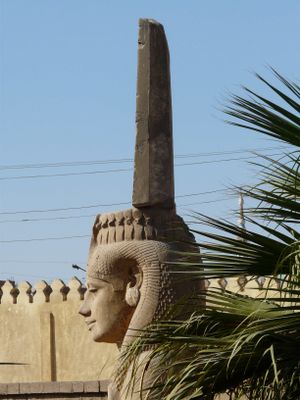
Several well-known figures including Queen Tiye and the alchemist Zosimos originated from this city and left their mark on broader history. Massive statues of Ramesses II and his daughter Meritamen, now displayed in museums, testify to the city's importance during Egypt's most powerful pharaohs.
The community of curious travelers
AroundUs brings together thousands of curated places, local tips, and hidden gems, enriched daily by 90,833 contributors worldwide.