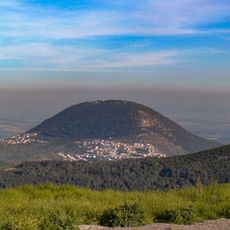
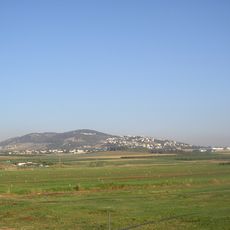
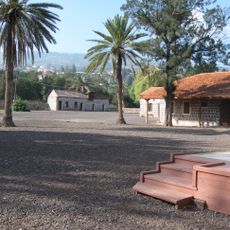
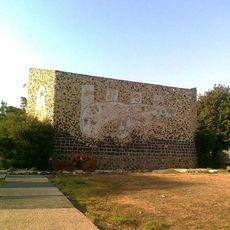
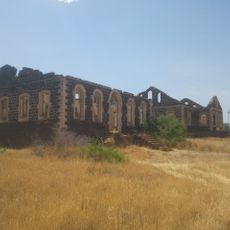
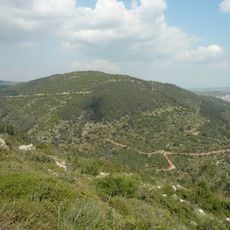
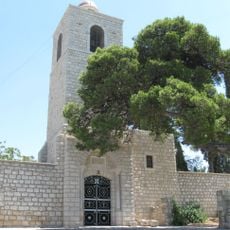
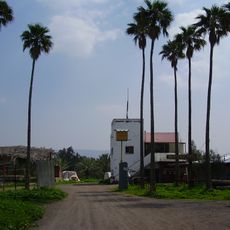
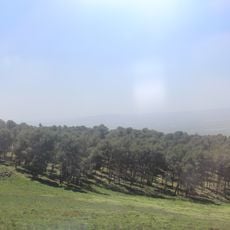
Munhata, Archaeological site in Northern District, Israel
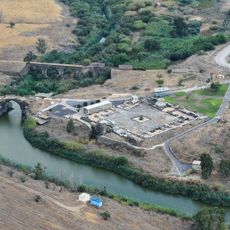
Munhata is an archaeological site in northern Israel containing evidence of human occupation from about 9,000 years ago. The excavation spans roughly 2,000 square meters and reveals six distinct layers of settlement from different prehistoric periods.
The site was first excavated in 1962 by archaeologist Jean Perrot, revealing occupation layers dating between 7200 and 5400 BC. These time periods represent two major prehistoric cultural phases when significant changes occurred in how humans lived and organized communities.
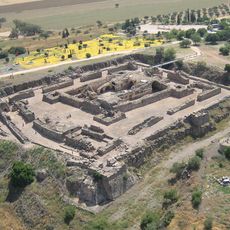
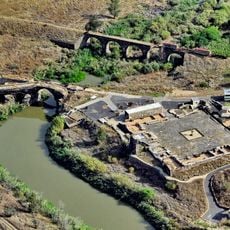
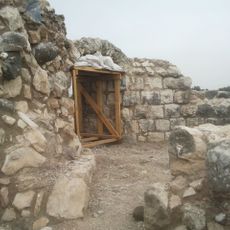
The buildings display stone foundations, mud brick walls, and plaster floors arranged around a circular courtyard where crafts and daily work took place. This layout reveals how people structured their living spaces and organized their daily activities thousands of years ago.
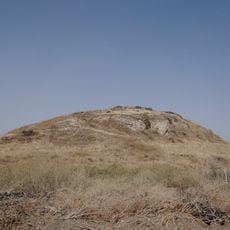
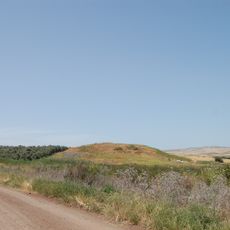
The site sits on a low terrace near a river outlet and requires sturdy footwear and careful navigation through the terrain. The location is in rural countryside, so visitors should prepare appropriately before heading out to explore the excavation area.
Excavations uncovered specialized flint arrowheads with barbed tangs and sharp shoulders, revealing the sophistication of hunting techniques used here. Alongside these tools, stone vessels and clay figurines depicting humans and animals were discovered, offering insight into the artistic life of these communities.
The community of curious travelers
AroundUs brings together thousands of curated places, local tips, and hidden gems, enriched daily by 91,372 contributors worldwide.