Sabarmati Ashram, Historical museum on the Sabarmati riverbank in Ahmedabad, India
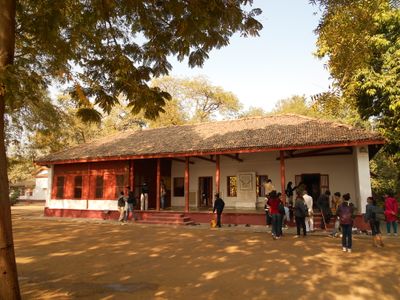
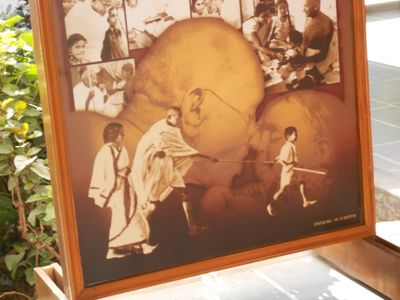
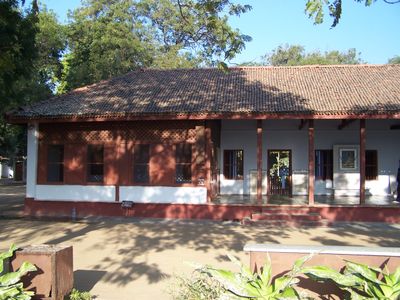
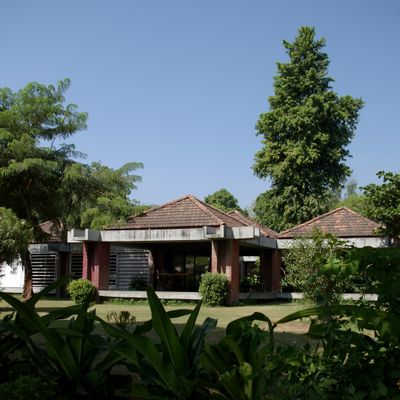
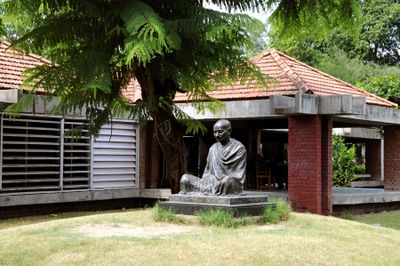
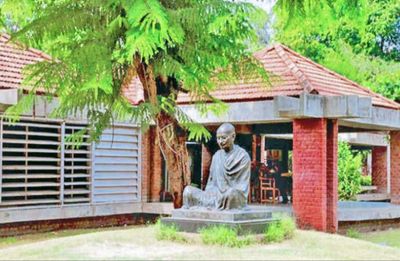
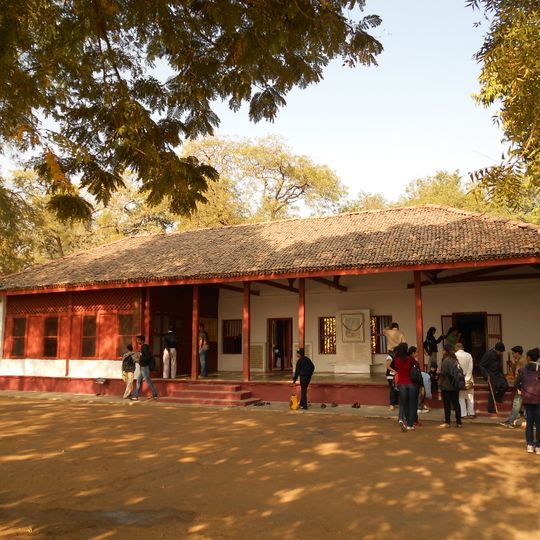
Sabarmati Ashram is a museum and former residential complex on the Sabarmati River in Ahmedabad that houses personal belongings, photographs, and manuscripts of Mahatma Gandhi. The grounds include several buildings with exhibition halls, a library, and the preserved residence Hridaya Kunj with its original rooms.
Gandhi founded the ashram at Kocharab in 1915 and moved it to the Sabarmati riverbank in 1917. On 12 March 1930 he set out from here on the Dandi March with 78 companions; he vowed not to return until India was independent and never came back. The government seized the site, and in 1951 the Sabarmati Ashram Preservation and Memorial Trust was formed.
The name Sabarmati comes from the river along whose banks the entire site sits and from which Gandhi spread his teachings. Visitors today see the simple living quarters and workspaces that shaped the daily life of nonviolent resistance and were inhabited by volunteers from across India.
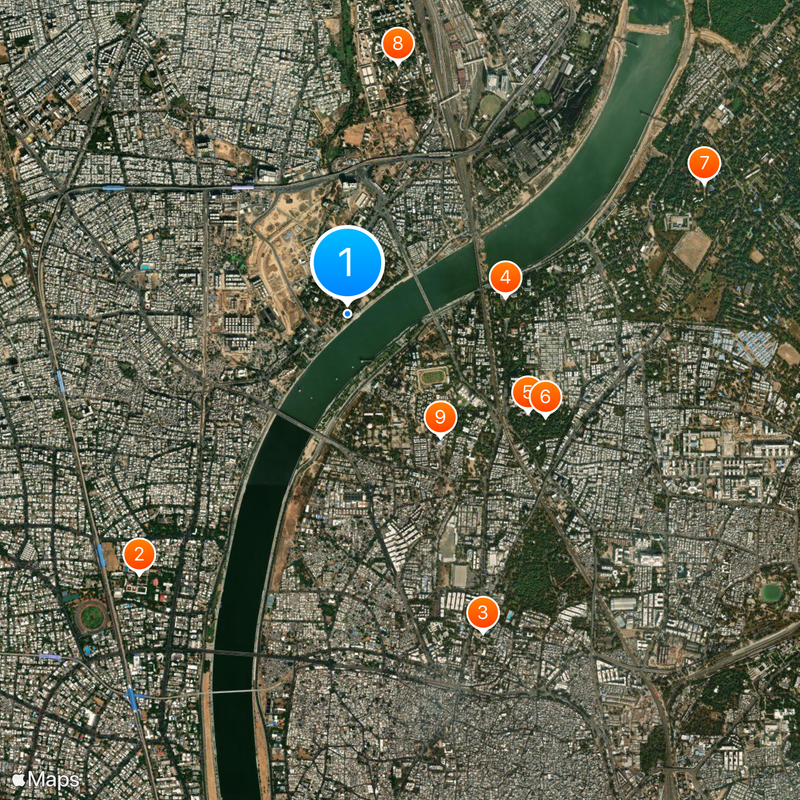
The ashram is open every day from 08:00 to 19:00 and receives about 700,000 visitors a year. It stands on the Sabarmati River bank along Ashram Road, about 4 miles (6.4 km) from the town hall, with the central jail on one side and the Dudheshwar cremation ground on the other. The museum, library and archives are separate buildings, so allow time to walk between them.
The charkha Gandhi used to spin khadi and the writing table where he wrote letters are kept among the ashram's relics. The ashram's book store, run on a non-profit basis, sells charkhas, Three Monkeys figures and postcards, supporting local artisans.
The community of curious travelers
AroundUs brings together thousands of curated places, local tips, and hidden gems, enriched daily by 92,308 contributors worldwide.