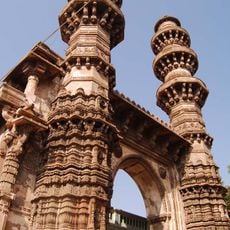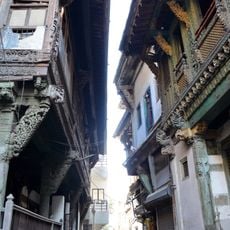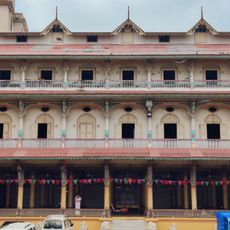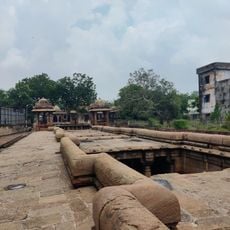
Hutheesing Jain Temple, Jain temple in Ahmedabad, India
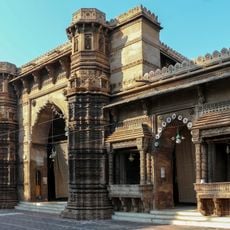
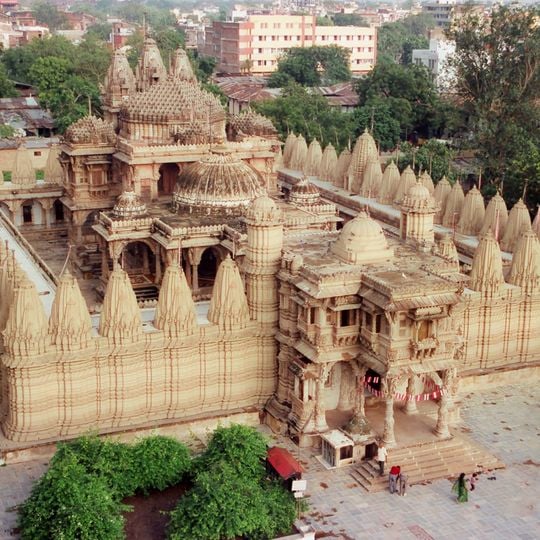
The Hutheesing Jain Temple is a Jain temple built from white marble in the northern part of Ahmedabad, covered in detailed stone carvings from floor to ceiling. Smaller shrines surround the main hall in a horseshoe layout, linked by open passages that allow visitors to move freely between them.
The temple was commissioned in the 1840s by the merchant Hutheesingh Kesarsingh and completed shortly after his death. It stands as one of the more celebrated examples of 19th-century Gujarati Jain architecture, reflecting the craftsmanship that flourished in the region during that period.
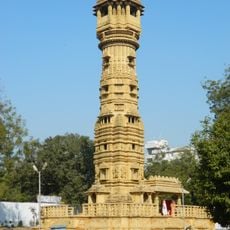
The temple is also called Hutheesing ni Vadi. Its 78-foot Manastambha, inspired by the Kirti Stambha at Chittor, was raised for the 2500th birth anniversary of Mahavira and holds his idol. The trust of the Hutheesing family still maintains the site.
The temple is located in the Shahibaug area and can be reached on foot or by auto-rickshaw from the old city. Shoes must be removed before entering, and shoulders should be covered, which applies to all visitors regardless of faith.
The temple was built during a severe famine in Gujarat, and its construction gave work to hundreds of skilled artisans for two years. The 78-foot Manastambha in the outer courtyard, six storeys tall and holding an idol of Mahavira, was raised to mark the 2500th birth anniversary of Mahavira and takes after the Kirti Stambha at Chittor in Rajasthan.
The community of curious travelers
AroundUs brings together thousands of curated places, local tips, and hidden gems, enriched daily by 93,008 contributors worldwide.