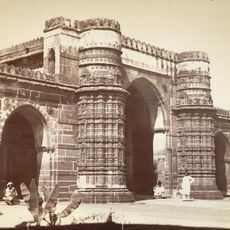
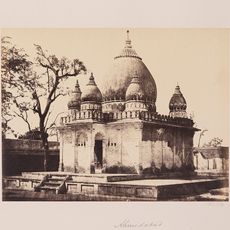
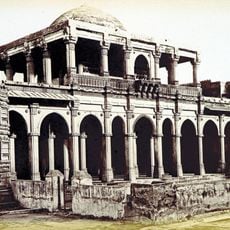
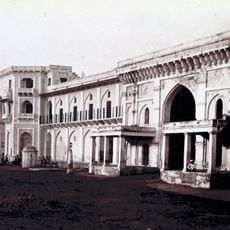
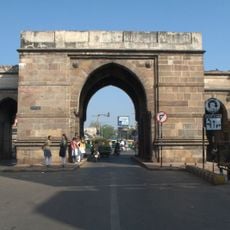
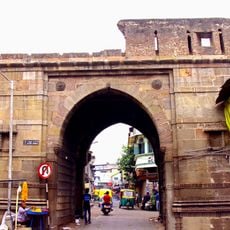
Sidi Saiyyed Mosque, Mosque in Ahmedabad, India.
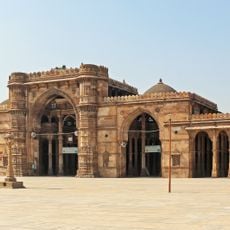
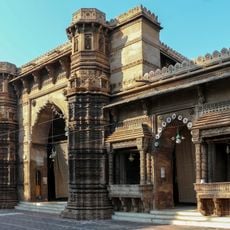
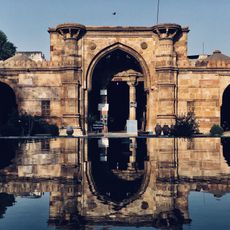
Sidi Saiyyed Mosque is a Sunni mosque in Ahmedabad, Gujarat, built in 980 AH (1572/1573 CE). Its facade has three large pointed arches on thick carved piers, and the central arch is walled with stone rather than holding a jali. Ten pierced stone lattice windows sit on the side and rear arches; two flanking the central aisle are carved with intertwined trees, foliage and a palm motif.
Built in 1573 by Sidi Saiyyed, an African-origin nobleman, this mosque represents the final architectural work of the Gujarat Sultanate before the Mughal invasion. It marks the end of an architectural era in the region.
Locals call the mosque Sidi Saiyyed ni Jali, after its pierced stone screen. The two bays flanking the central aisle carry slabs carved with intertwined trees, foliage and a palm motif; this jali is the unofficial symbol of Ahmedabad and inspired the logo of the Indian Institute of Management Ahmedabad. The central arch itself is walled with stone, not fitted with a jali.
The mosque stands near Lal Darwaja in the old city, with the carved jalis set into the side and rear arches rather than the central arch, which is walled with stone. The lattice panels measure about ten feet wide and seven feet high, so look closely at the palm and tree carving. The building is a protected monument and an active place of worship, so dress modestly and avoid visiting during prayers.
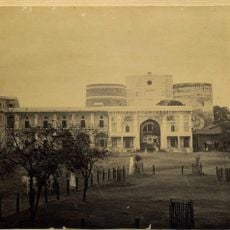
During British colonial rule, the building served as an administrative office for the Mamlatdar of Dascrohi and underwent structural changes. These modifications left visible marks on the structure that remain today.
The community of curious travelers
AroundUs brings together thousands of curated places, local tips, and hidden gems, enriched daily by 92,820 contributors worldwide.