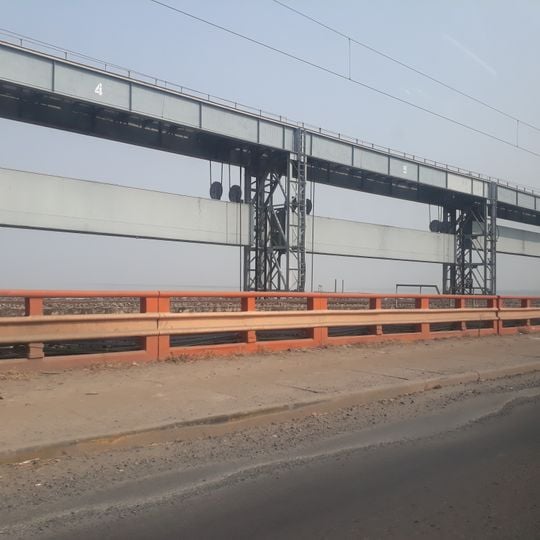
Farakka Barrage, Dam in West Bengal, India
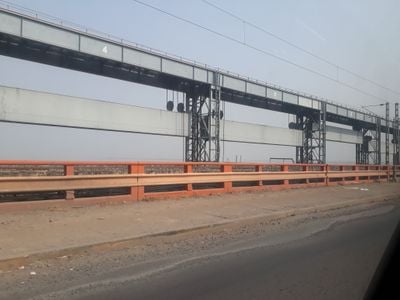
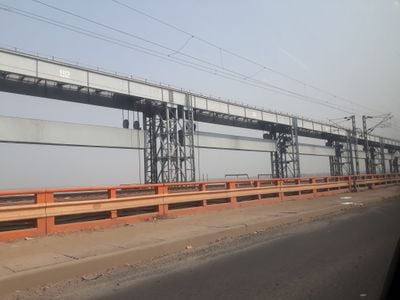
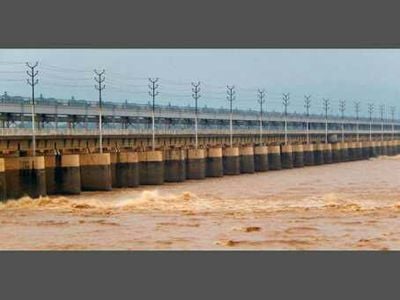
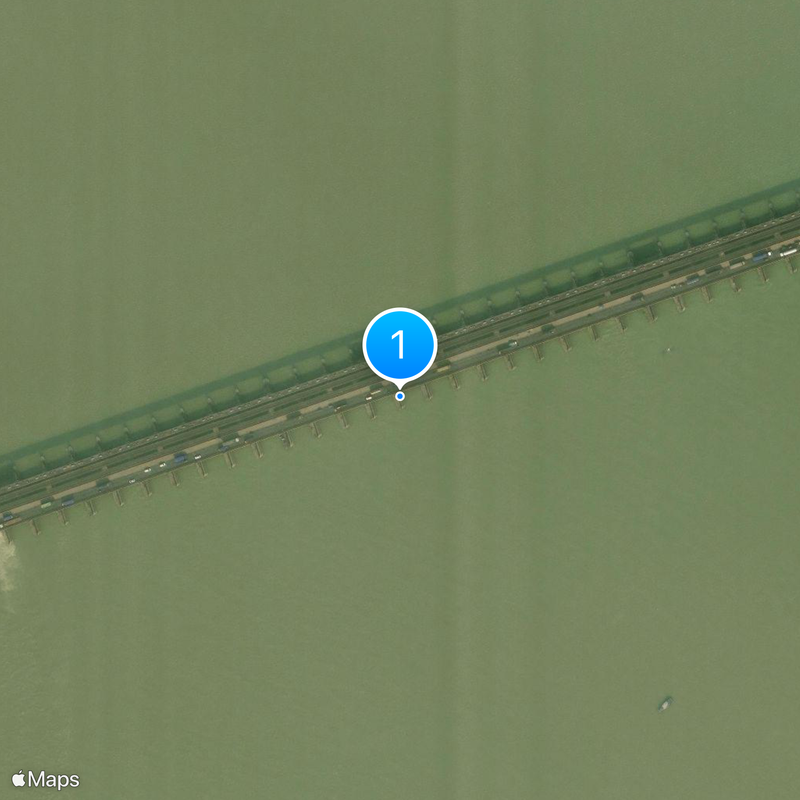
Farakka Barrage is a 2,304-metre-long barrage across the Ganga in Murshidabad district, West Bengal, about 18 kilometres from the Bangladesh border. It has 109 gates, 108 over the river and one over low-lying land in Malda. The structure consists of steel box girders and lattice towers, with a feeder canal about 42 kilometres long leading to the Bhagirathi-Hooghly River.
Construction began in 1962 and continued until completion in 1970, with operations starting in April 1975. The project emerged as part of a broader plan to redirect water into the Hooghly River to improve its navigability.
The facility stands at the heart of political negotiations over water rights that have shaped relations between two neighboring countries for decades. Fishermen on both sides adjust to altered currents, while villages downstream organize their routines around fluctuating water levels.
The facility diverts 1,800 cubic meters (63,600 cubic feet) of water per second from the Ganges into the Hooghly through a 42-kilometer (26-mile) feeder canal. Access to the site is limited, as the structure is an active piece of infrastructure with operational restrictions.
Fish ladders were installed in 2016 to allow migrating fish species to cross the barrier. These passages were added years after original construction, once studies documented declining populations in upstream sections.
The community of curious travelers
AroundUs brings together thousands of curated places, local tips, and hidden gems, enriched daily by 92,285 contributors worldwide.