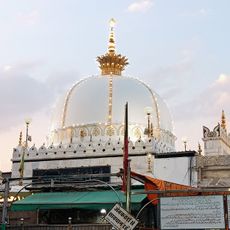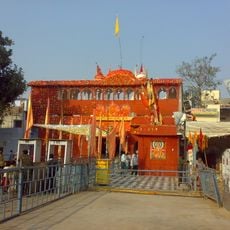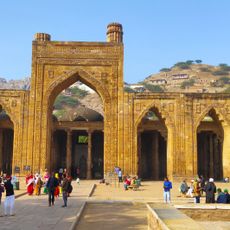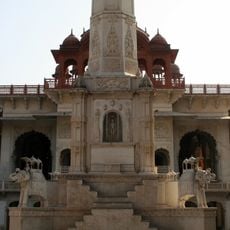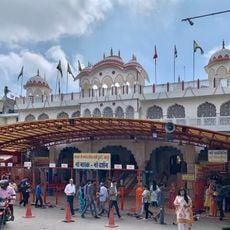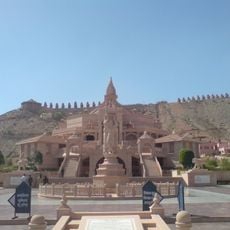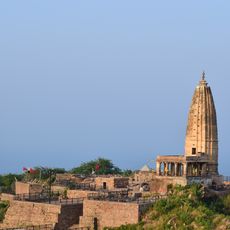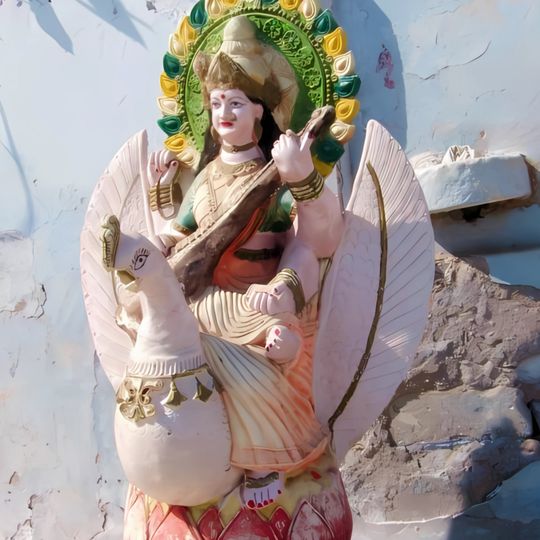
Pushkar Lake, Sacred lake in Ajmer, India
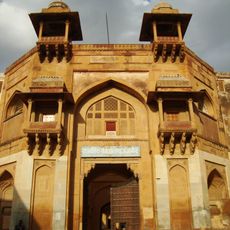
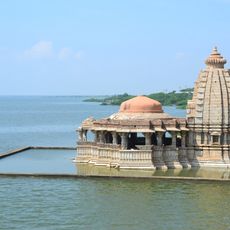
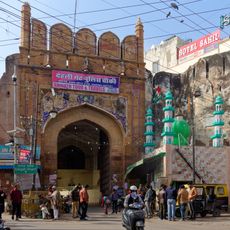
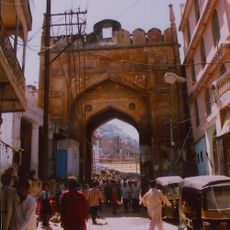
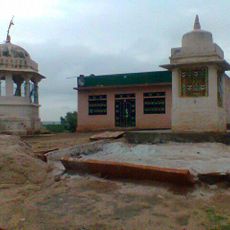
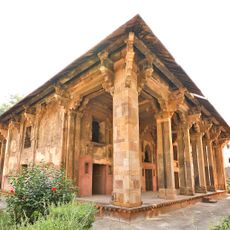
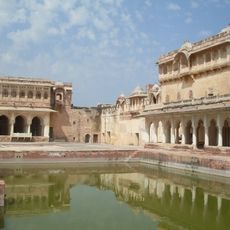
Pushkar Lake is an artificial lake in Pushkar, Ajmer district, Rajasthan, formed by a dam across the headwaters of the Luni River. It has a water surface of 22 hectares and is ringed by 52 bathing ghats, with over 500 Hindu temples around its precincts. A 110-metre footbridge at the southern end channels catchment flow through arches and serves the parikrama circuit.
Pushkar Lake appears on punched Greek and Kushan coins from the 4th century BC, and inscriptions at Sanchi attest to its existence by the 2nd century BC. The Chinese Buddhist monk Fa Xian mentioned its visitors in the 5th century AD. A 9th-century Gurjara king, Nahar Rao Pratihar, had the lake restored after his leukoderma vanished when he touched the water, and in the 12th century a dam was built across the headwaters of the Luni River.
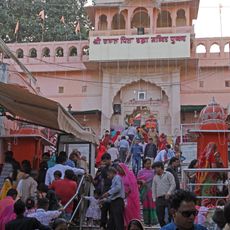
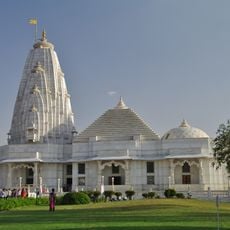
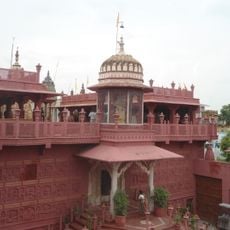
The site holds deep meaning for Hindu pilgrims who come to bathe during festivals and pray at the many temples lining the shore. Visitors observe people engaging in daily rituals and religious ceremonies that have been part of this place for centuries.
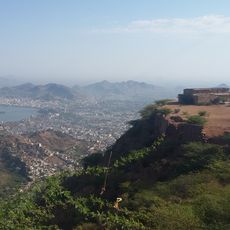
Visit early in the morning or during late afternoon to experience the place with fewer crowds and better lighting for seeing the temples and water. The paths around the site can be uneven and hilly, so wear comfortable shoes and bring water, especially during warmer months.
British colonial officers once netted man-eating crocodiles in the lake and moved them to a nearby reservoir; pilgrims of the time regarded being seized by one as a good omen. The lake's water is also credited to a 9th-century Gurjara king, Nahar Rao Pratihar of Mandore, whose leukoderma marks vanished after he dipped his hand in while hunting a white boar.
The community of curious travelers
AroundUs brings together thousands of curated places, local tips, and hidden gems, enriched daily by 93,340 contributors worldwide.