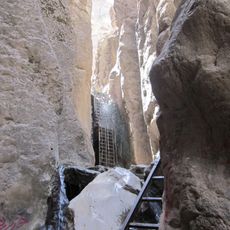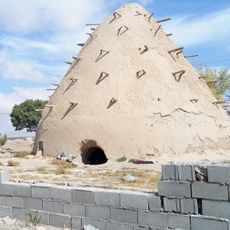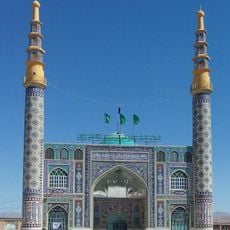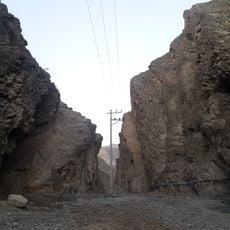
Bandian Complex, archaeological site in Dargaz County, Iranian national heritage site
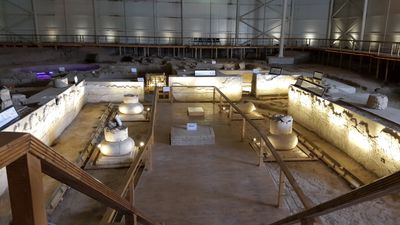
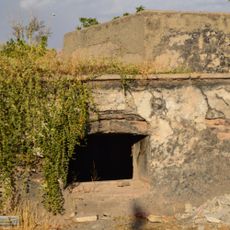
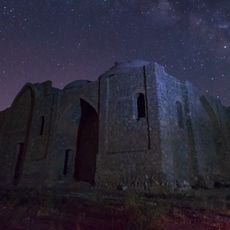
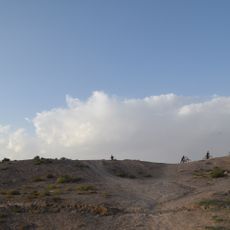
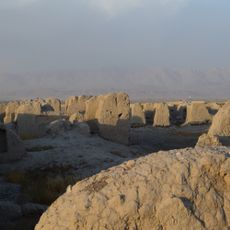
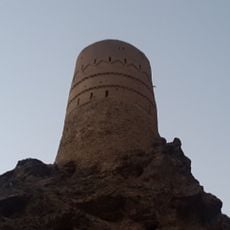
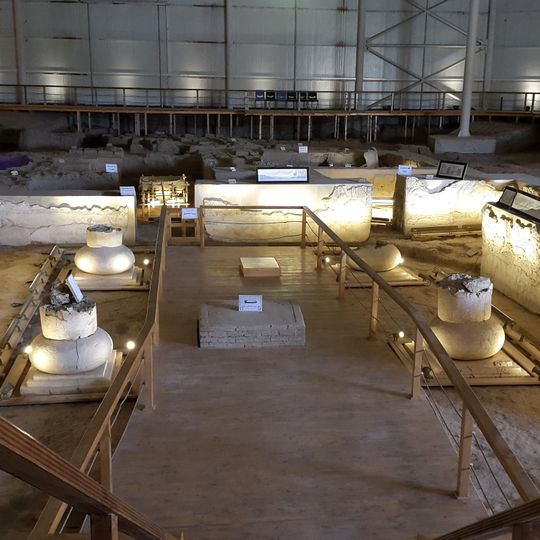
The Bandian Complex is an archaeological ensemble featuring Sasanian architecture near Dargaz in northeastern Iran. The main structures include a fire temple with a large hall supported by four limestone columns, a niche element called a mihrab, and several rooms decorated with stucco carvings and inscriptions in Middle Persian.
The complex was built during the reign of Peroz or his son Kavad I around the late 5th century, making it over 1500 years old. Following its destruction in antiquity, excavations began in 1994 and uncovered numerous artifacts and inscriptions from the Sasanian period.
The site served as a religious center for Zoroastrianism, with fire worship playing a central role in the daily life of people over a thousand years ago. The wall decorations depict scenes of hunts, battles, and celebrations that reveal the values and customs of the ancient inhabitants.
The site is easily accessible since Dargaz is a small city with local amenities nearby, and the region's dry, warm climate allows for year-round exploration. Visitors should take time to walk among the ruins and examine the still-visible details such as stucco work and inscriptions.
A fascinating detail is a stucco relief found at the complex depicting a figure from the Hephthalite group, a people from Central Asia who described themselves as trustworthy. This artifact reveals surprising diplomatic and cultural connections between the Sasanian Empire and distant regions.
The community of curious travelers
AroundUs brings together thousands of curated places, local tips, and hidden gems, enriched daily by 91,385 contributors worldwide.