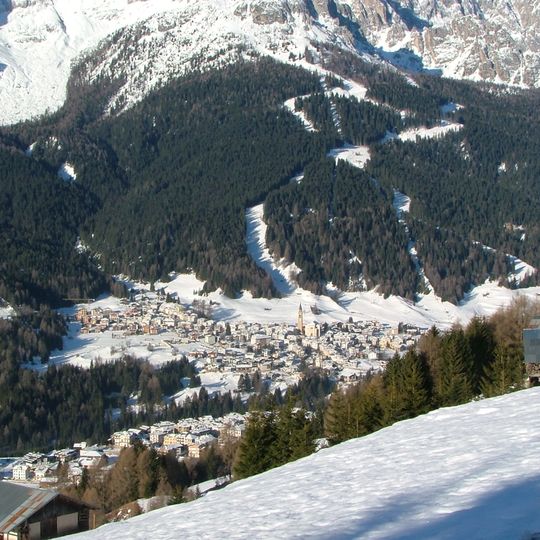
Padola, human settlement in Comelico Superiore, Province of Belluno, Veneto, Italy
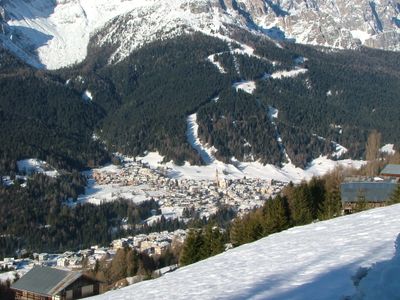
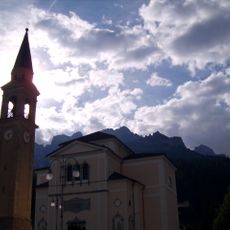
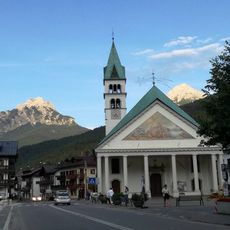
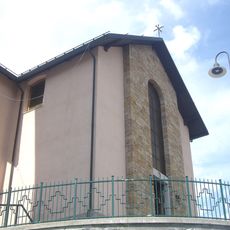
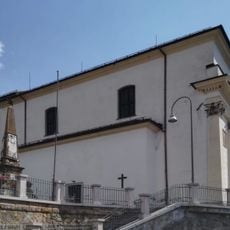
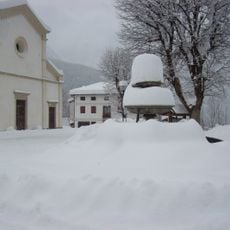
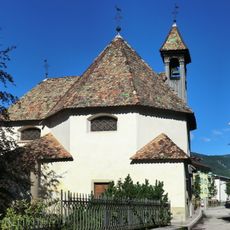
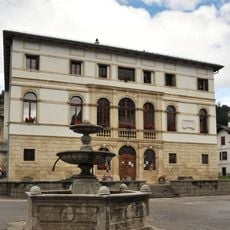
Padola is a small settlement in Comelico Superiore nestled within the Dolomites and home to fewer than one thousand residents. The village features traditional wooden houses with haylofts scattered across the hillsides, a central church built in 1869, and a modest plaza where shops and cafes face one another.
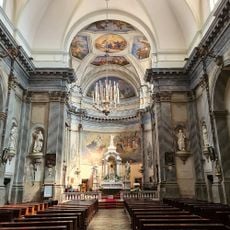
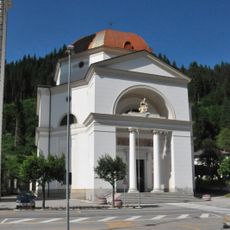
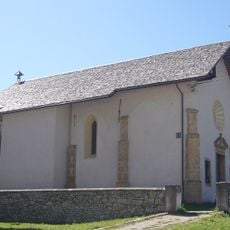
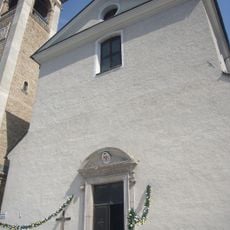
Padola developed as a mountain settlement where timber was transported via the Stua, a wooden dam structure dating to the 14th century and the only surviving example of its kind in Europe. The Church of San Luca Evangelista was constructed in 1869, replacing an older structure from the 14th century.
Padola, known locally as Pàdulä, centers its community life around the Church of San Luca Evangelista and the small plaza in front where people gather for coffee and conversation. The local tradition of woodcarving and the handmade crafts sold in village shops reflect a heritage of skilled artisans who have shaped this mountain settlement.
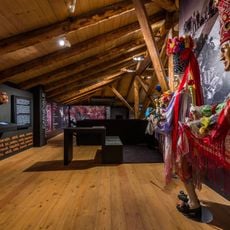
Padola is easily reached by car via the main road, with limited parking available near the church in the village center. Most attractions including the museum, the historic Stua, and shops are within walking distance from the plaza, making foot exploration practical for visitors.
An ancient and unexplained stone formation called 'pèrä dla borciä' with five cup-shaped marks lies within the village and continues to puzzle historians. This mysterious carving hints at prehistoric activity or ritual practices whose true purpose remains unknown to scholars studying the region.
The community of curious travelers
AroundUs brings together thousands of curated places, local tips, and hidden gems, enriched daily by 92,658 contributors worldwide.