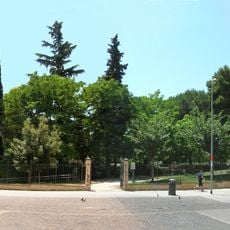
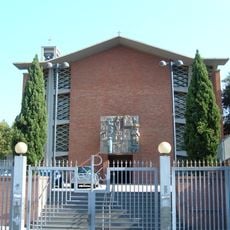
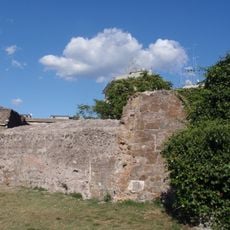
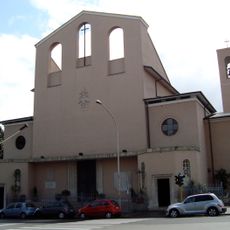
Prenestino-Labicano, Residential quartiere in eastern Rome, Italy
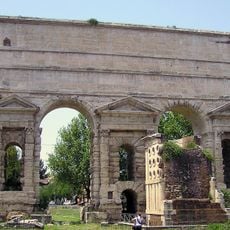
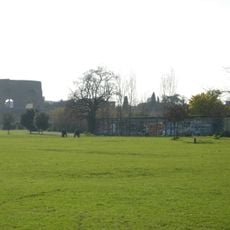
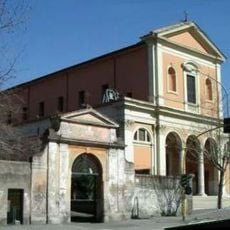
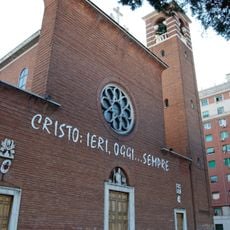
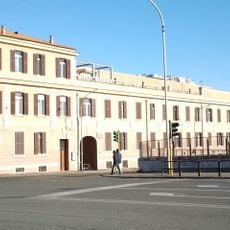
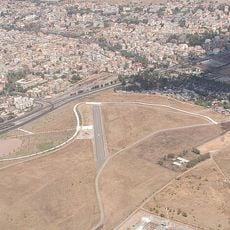
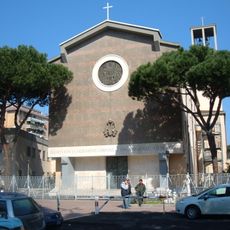
Prenestino-Labicano is a residential neighborhood in eastern Rome that stretches behind the Aurelian Walls and Porta Maggiore. The area contains multiple urban zones including Torpignattara, Casilino, and Gordiani with mixed housing types and older structures.
The neighborhood was established in 1921 and takes its name from two ancient roads: Via Prenestina and Via Labicana, which served as essential transport routes in Roman times. The naming after these historic routes connects the modern residential blocks to their ancient foundation.
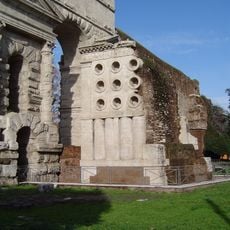
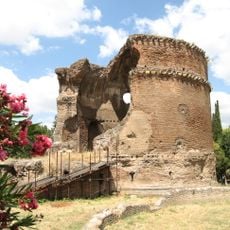
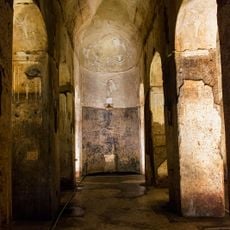
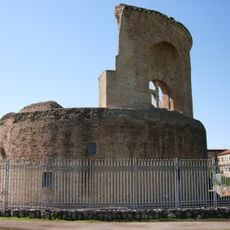
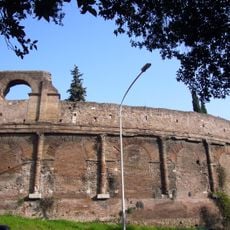
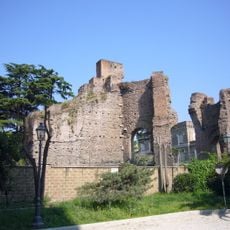
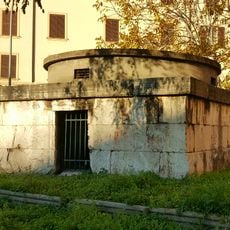
The area contains archaeological sites such as the Mausoleum of Helena and the Tomb of Eurysaces the Baker, which show how Romans practiced their burial customs. These monuments are quietly integrated into the residential streets and remind visitors daily of the ancient past here.
The neighborhood offers multiple transportation options with planned Metro C stations that connect residents to central Rome through the expanding public transit network. Accessibility to different city areas continues to improve as infrastructure development progresses.
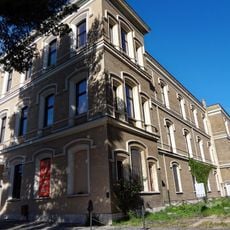
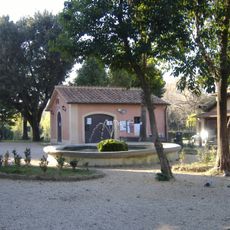
Villa Serventi was built in 1921 as housing for railway workers and marks the start of organized residential development in this section of Rome. The building shows how social housing policy shaped urban expansion during that era.
The community of curious travelers
AroundUs brings together thousands of curated places, local tips, and hidden gems, enriched daily by 90,752 contributors worldwide.