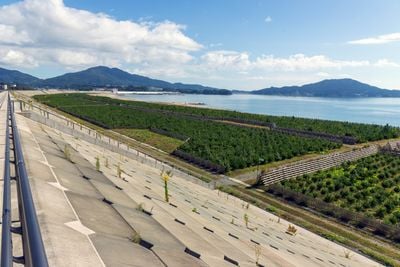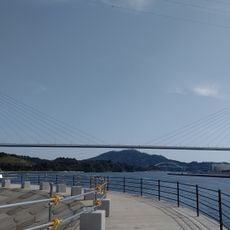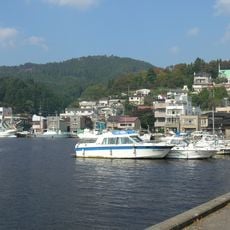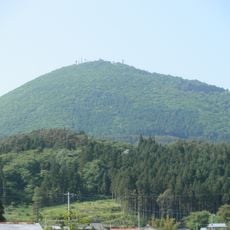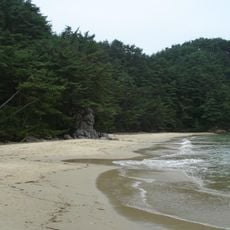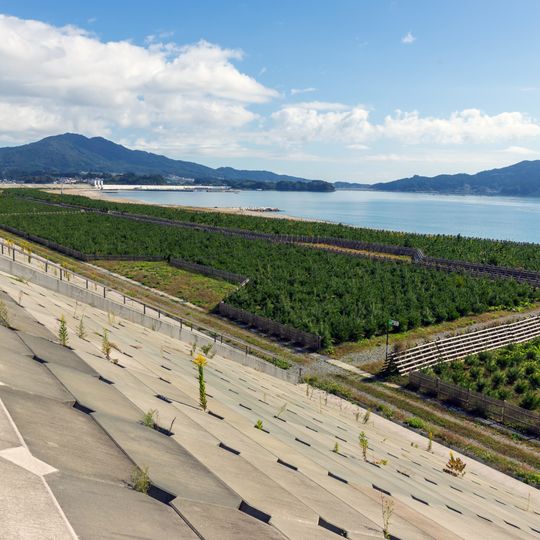
Takata Matsubara, Pine forest in Rikuzentakata, Japan.
Takata Matsubara was a pine forest stretching two kilometers along the Pacific coast, containing approximately 70,000 Japanese red and black pine trees. These dense trees formed a natural protective barrier against strong winds, high tides, and tsunami waves.
Local merchant Kanno Mokunosuke planted the forest in 1667 following instructions from Date Tsunamune, beginning with 6,200 Japanese red pine trees. The forest grew over centuries into an established protective structure that safeguarded the coastal village.
The forest was recognized as one of the 100 Landscapes of Japan during the Showa period and designated as a Place of Scenic Beauty in 1940. This recognition reflects how deeply the site was woven into the country's cultural identity and artistic appreciation.
The site is easy to access and has information signage to help visitors understand the history and current state of this location. It is best to visit early in the day when lighting is good and fewer people are around the grounds.
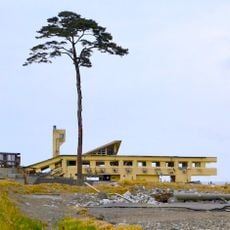
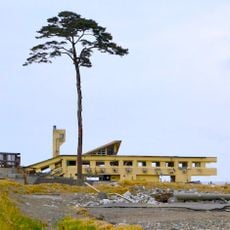
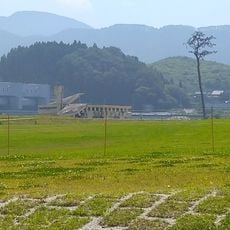
After the 2011 tsunami destroyed much of the forest, a single pine tree remained standing as a symbol of resilience and hope for the community. This solitary survivor was eventually protected as a memorial before salt damage weakened its structure.
The community of curious travelers
AroundUs brings together thousands of curated places, local tips, and hidden gems, enriched daily by 90,811 contributors worldwide.