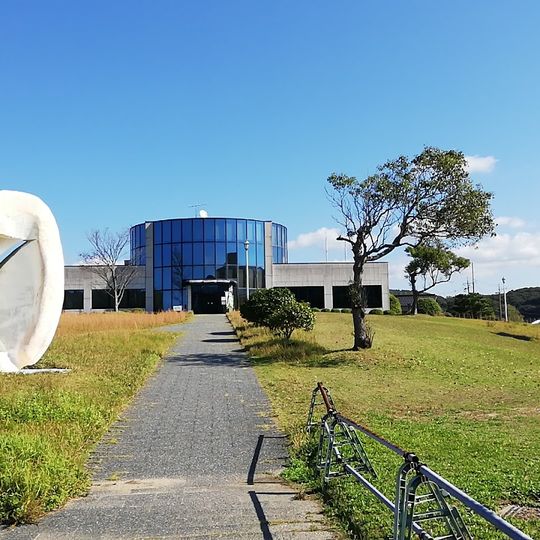
Doigahama Site, Archaeological museum in Shimonoseki, Japan.
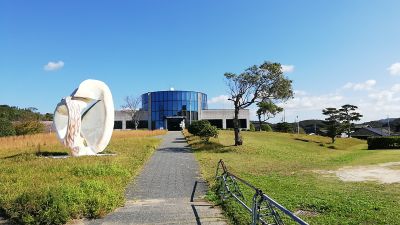
The Doigahama Site Museum is an archaeological collection in a coastal settlement with discoveries from the Jomon and Yayoi periods. The exhibits display pottery, tools, and other objects that document how people lived and worked at this location thousands of years ago.
Excavations between 1953 and 1957 led by Dr. Takeo Kanaseki uncovered over 200 human skeletons and burial structures. These discoveries provided the first major insight into the burial practices and social organization of these early societies.
The artifacts display curved jade beads and shell ornaments that reflect how early communities expressed their identity and beliefs through personal adornment. These objects reveal what people valued and wore in their daily lives along the ancient coast.
The museum offers workshops and guided tours that help visitors understand the exhibits and excavated finds in greater depth. Starting with a guided tour is a good way to learn how the objects connect to daily life in ancient times.
The burial grounds contain multiple skeletons arranged in specific patterns with skulls deliberately positioned. This careful arrangement suggests that people followed a deliberate system of rituals and burial rules.
The community of curious travelers
AroundUs brings together thousands of curated places, local tips, and hidden gems, enriched daily by 92,139 contributors worldwide.