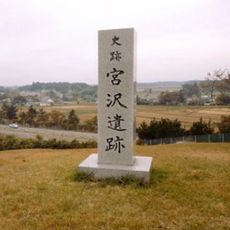
Sannō-Gakoi Site, Archaeological site in Kurihara, Japan.
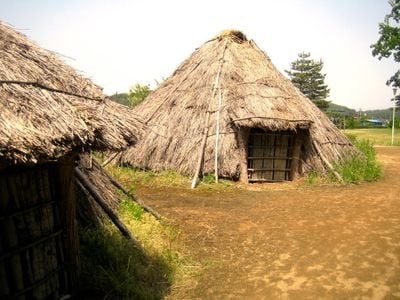
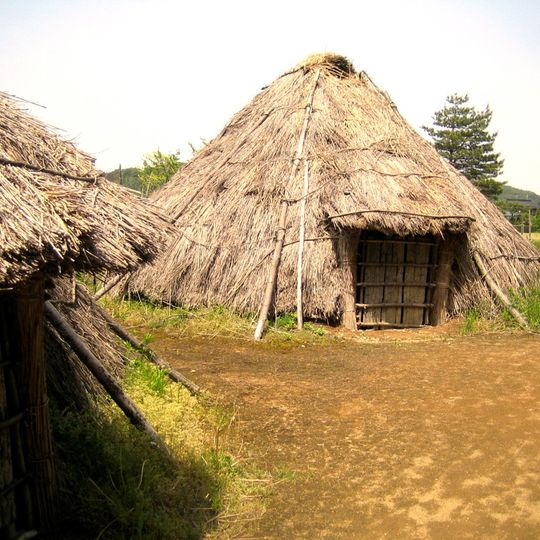
The Sannō-Gakoi Site lies on a river terrace along the north bank of the Nakasaki River, revealing settlement layers from the late Jōmon through the Yayoi period. The excavated layers show how people lived during these two distinct eras.
Excavations began in the 1960s when Tōhoku University exposed settlement remains from two major periods of early Japanese history. The layered deposits chronicle changes in how people lived and adapted over time.
The site offers insight into daily crafts and personal objects through preserved fragments of woven cloth, early lacquerware, combs, and vermilion-painted hairpins. These finds show what materials and techniques people worked with in their homes.
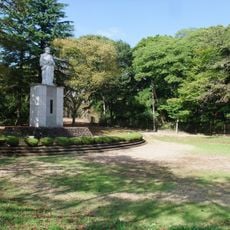
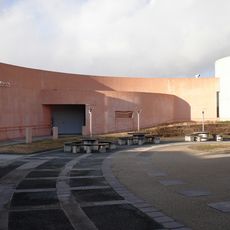
The site is accessible by car from the nearest train station, making it a reasonable day trip destination. Visitors can walk through marked excavation areas and pathways that guide you around the open spaces and displays.
A thick layer of peat three meters deep naturally preserved organic materials at this location, creating a kind of time capsule. This allowed archaeologists to recover details about items that would normally decay away.
The community of curious travelers
AroundUs brings together thousands of curated places, local tips, and hidden gems, enriched daily by 91,607 contributors worldwide.