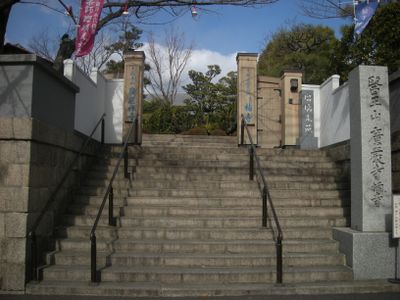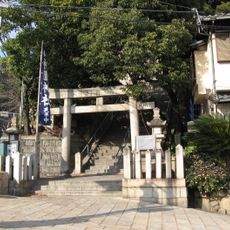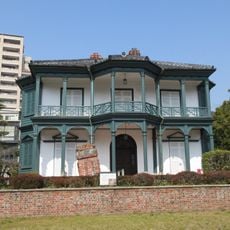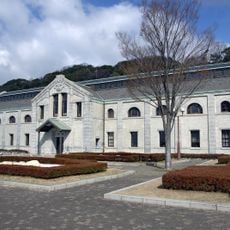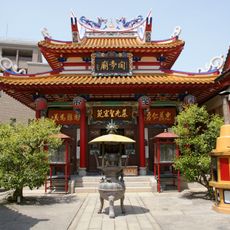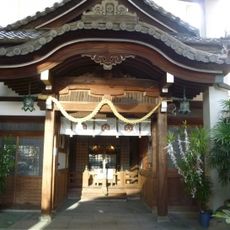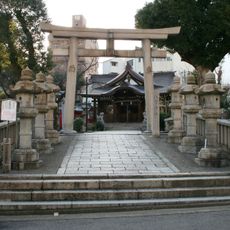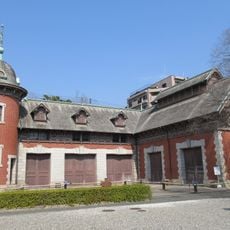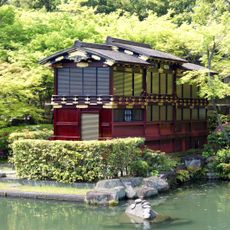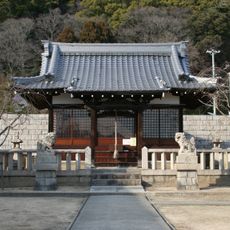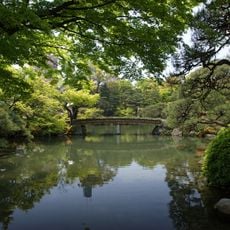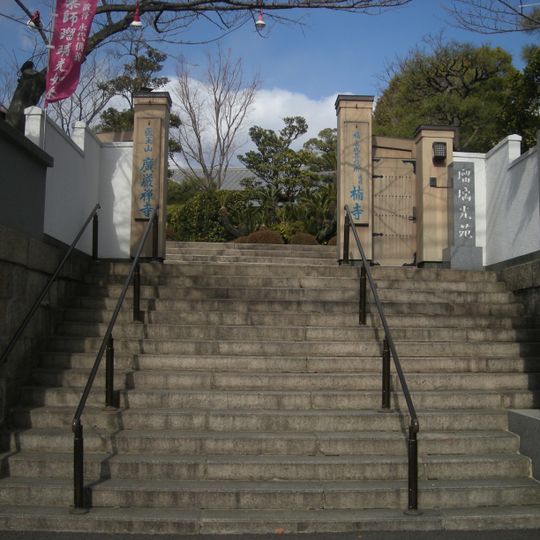
Kōgon-ji, Buddhist temple in Chūō-ku, Japan.
Kōgon-ji is a Buddhist temple in Chūō-ku featuring traditional wooden structures with a main hall housing a statue of Dainichi Nyorai. The grounds spread across several areas with meditation spaces and buildings from different periods.
The temple was founded between 729 and 748 AD by priest Gyōki at the request of Emperor Shōmu. During the Nanboku-chō period it became a base for the Southern Court and later served as a refuge for members of competing imperial families.
The temple houses ancient manuscripts of the Engishiki, the oldest surviving copies of Japanese laws and customs from the 10th century. These texts reveal how people lived and what rules guided their society at that time.
The location is accessible by public transportation and offers regular meditation sessions and Buddhist ceremonies throughout the year. Visitors should approach the place with respect and follow the temple's guidelines.
A subcomplex called Kanzō-in served as a prison for three emperors from the Northern Court during the period of competing courts. This unusual role reveals how fragmented power was during that era.
The community of curious travelers
AroundUs brings together thousands of curated places, local tips, and hidden gems, enriched daily by 91,580 contributors worldwide.