Kanteibyō, Chinese temple in Naka-Yamate-dori, Japan
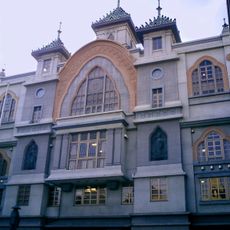
Kanteibyō is a Chinese temple located in the Naka-Yamate-dōri area of Kobe featuring ornate decorative elements including dragon carvings and marble details throughout its structure. The building displays recognizable Chinese architectural characteristics in its design and ornamentation.
The temple's predecessor was Chōrakuji, a branch temple of Manpukuji in Fuse, Osaka Prefecture, moved to this site in 1892 by Go Kintei and others. In 1939 the temple enshrined statues of Kantei and Tenpi, but it burned down with Chōrakuji in the 1945 air raids. Chinese residents built the present Kanteibyō on the Chōrakuji site in 1947, and it was later enlarged.
Each year on the 13th to 15th days of the seventh lunar month, the temple holds the Ullambana festival for hungry ghosts, decorated with small houses and stalls made of bamboo and paper, firecrackers and people in ethnic dress. Guan Di and the sea goddess Tianhou are both honoured here.
The temple welcomes visitors daily and is accessible by local streetcar from central Kobe. Respectful dress and behavior are appreciated when exploring the interior spaces and grounds.
The bronze incense burner in front of the main hall carries the inscription "Guangxu 18" (1892), a relic of the site's earlier history: the temple's predecessor, Chōrakuji, was moved here from Fuse village in Osaka in 1892 by Wu Jintang and others, and was destroyed in the 1945 air raids. The burner predates the 1947 rebuilding.
The community of curious travelers
AroundUs brings together thousands of curated places, local tips, and hidden gems, enriched daily by 93,463 contributors worldwide.