Hiroshima Toyo Carp Yuu Baseball Ground, Baseball training ground in Iwakuni, Yamaguchi Prefecture, Japan
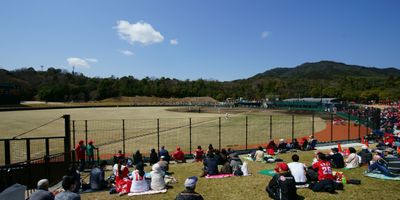
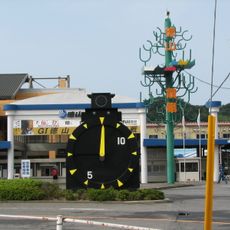
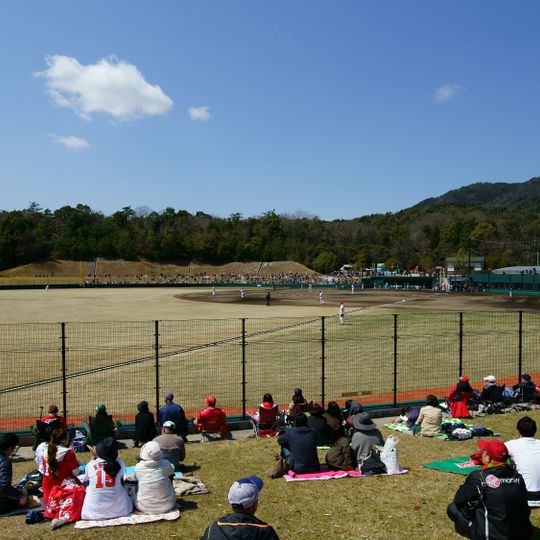
Hiroshima Toyo Carp Yuu Baseball Ground is the second-team home stadium and training facility of the Hiroshima Toyo Carp in Yuu, Iwakuni, Yamaguchi Prefecture. The main field measures 100 m down the lines and 122 m to center, with a dirt infield and natural-grass outfield; both stands are grass seating, and the outfield grass area is closed off. A sub-ground (65-65-70 m) and a five-mound pitching area sit beyond the third-base side, and the backstop management building holds the clubhouse, meeting rooms and canteen.
The Hiroshima Carp second team moved its home ground repeatedly: from Nigō Stadium in Kure to Miroku-no-sato Shinshōji Stadium in 1979, which forced long cross-prefecture trips from the Ōno dormitory. Chosen over Kure and Yanai for cheap land, space and a mild climate, the Yuu ground broke ground in March 1991 and opened in March 1993, when the farm team relocated here.
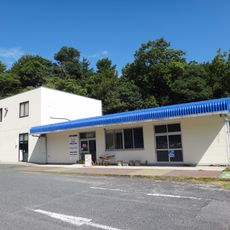
The ground is called Yuu Stadium in everyday use, and its home dugout sits on the third-base side because the clubhouse and practice areas are there. Since 2017 the former visitors' locker room has housed a local-products shop selling food, official goods and Yuu-only merchandise. The seventh-inning stretch has no team-song production, as games are treated as practice.
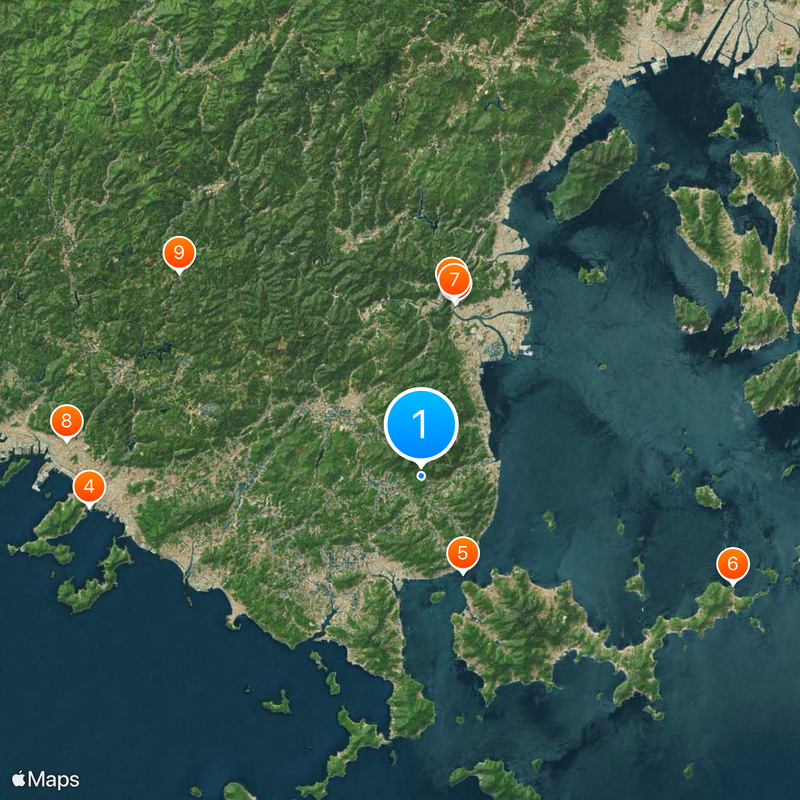
The ground is in Iwakuni, Yamaguchi Prefecture, and is hard to reach by public transport: buses from Yuu Station run only a few times a day and are not timed for games, so most visitors come by car or taxi. Parking holds 400 cars and is paid. Entry gates are behind the third-base stand and the left-field stand; since 2020 only the left-field gate is open. There are no shops nearby, so buy food and drinks around Yuu Station beforehand.
The foul territory was deliberately oversized so three batting cages could stand side by side and catchers could practise chasing foul flies; owner Hajime Matsuda later called the resulting spectator sightlines a failure, a lesson applied to Mazda Stadium's design. Renovations from the 2016 offseason shrank it, at a three-year cost of about 380 million yen.
The community of curious travelers
AroundUs brings together thousands of curated places, local tips, and hidden gems, enriched daily by 93,387 contributors worldwide.