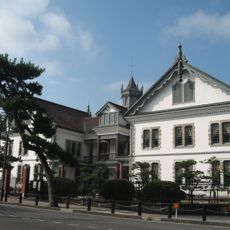
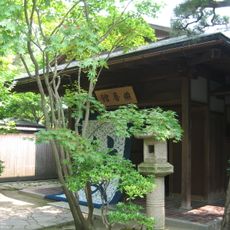
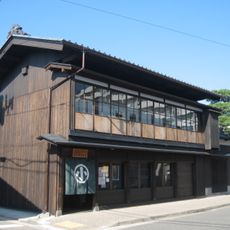
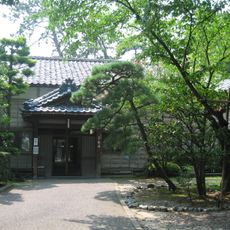
Niigata Saitō Villa, Historic house and Place of Scenic Beauty in Nishiōhata-chō, Japan.
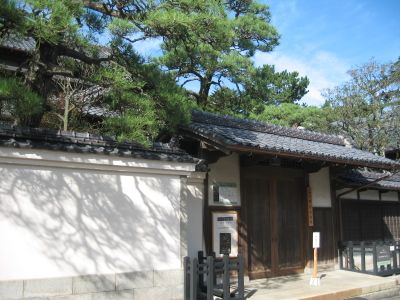
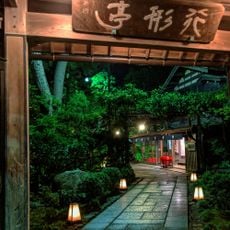
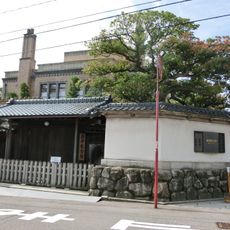
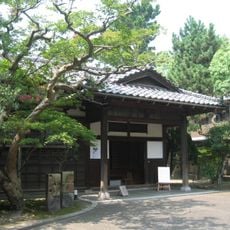
Niigata Saitō Villa is a historic residence in Nishiōhata-chō, Niigata, built in the modern Japanese style of the early 20th century. The house is made of wood, with sliding doors and paper screens that separate the rooms, and it sits within a traditional garden that remains visible from most interior spaces.
The villa was built in 1918 as a second residence for Saitō Kijūrō (Kurakichi, 1864–1941), the fourth head of the Saitō family. In 2009 the city of Niigata acquired it after citizens gathered signatures and donations for its preservation. The garden was registered as a national Monument in 2013 and designated a Place of Scenic Beauty in 2015.
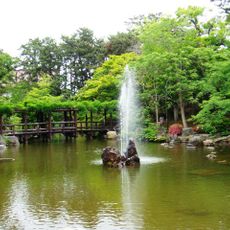
The garden is formally known as the Former Saitō Family Villa Garden and was registered as a national Place of Scenic Beauty in March 2015, after first being listed as a registered monument in 2013. The Saitō family's fourth-generation head, Kijūrō (Kurakichi, 1864–1941), built the villa as a retreat in 1918. The garden was laid out as a circuit-style stroll garden making use of the dune terrain.
The villa sits in the dune belt of Nishiōhata-chō, about a minute on foot from the "Hokubu Bunka Hakubutsukan Niigata Bunkō-mae" stop on the Niigata sightseeing loop bus, or six minutes from the C2 "Nishiōhata" stop. The garden is a circuit-style layout on sloping dune ground, so expect uneven footing and steps along the route.
Although the building was used as a private home, its layout has very few fixed interior walls, which means the rooms could be rearranged depending on the occasion, something unusual for a private residence of that period. This suggests the family was adopting new ideas about living space well before such approaches became common in Japan.
The community of curious travelers
AroundUs brings together thousands of curated places, local tips, and hidden gems, enriched daily by 94,091 contributors worldwide.