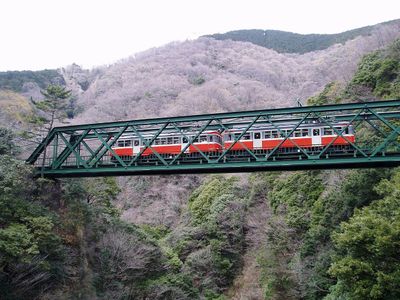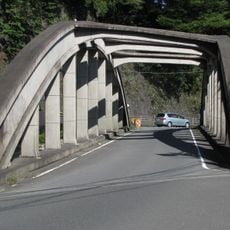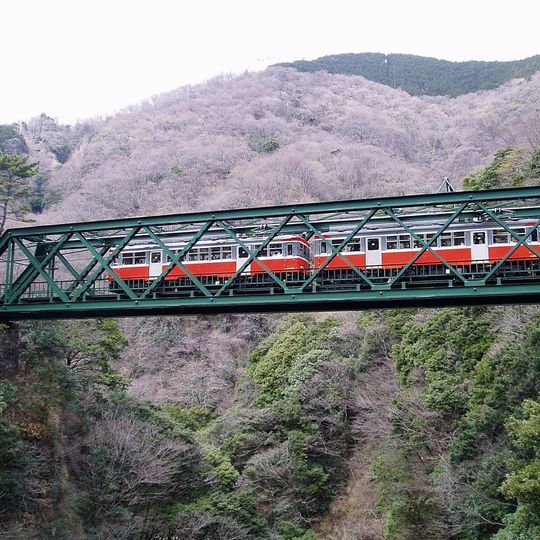
Hayakawa Bridge, Iron railway bridge in Hakone, Japan.
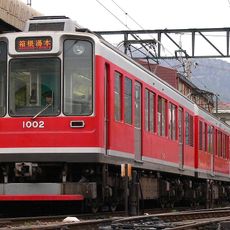
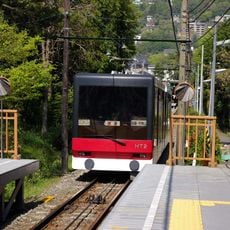
Hayakawa Bridge is an iron truss railway bridge that spans across the Hayakawa River Valley between Tonosawa and Deyama stations. It carries trains along the Hakone Tozan Railway, a mountain line that climbs through the valley regularly.
British engineer Charles Assheton Whately Pownall designed this structure, which opened in 1917 and became a turning point in Japanese railway engineering. The design served as a model for later mountain railway construction throughout Japan.
The bridge serves as a daily connection between two train stations and represents how rail transport opened up this mountainous region. For train passengers, it remains an ordinary part of their journey, crossing the valley on a regular commute.
Visitors experience the bridge best from a train on the Hakone Tozan Railway, which departs multiple times daily from Odawara Station. The ride up through the valley offers continuous views of the structure and surrounding landscape during the journey.
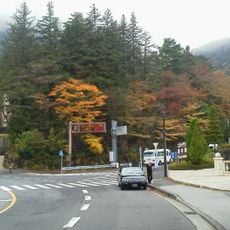
The bridge was registered as a Cultural Property in 1999 and stands as one of the few preserved steel bridges from Japan's early railway era. Some trains occasionally stop briefly, allowing passengers to take in the valley views and observe the seasonal foliage, especially during autumn.
The community of curious travelers
AroundUs brings together thousands of curated places, local tips, and hidden gems, enriched daily by 92,869 contributors worldwide.