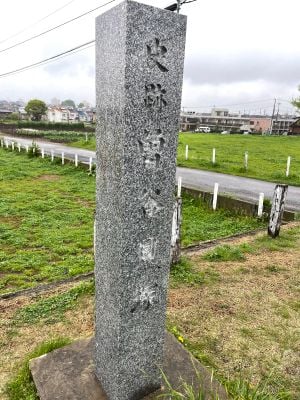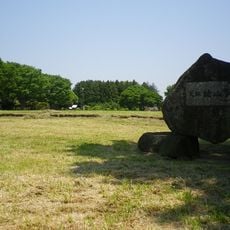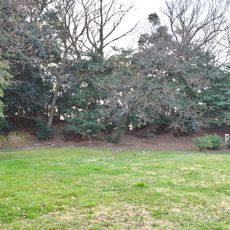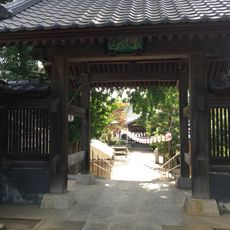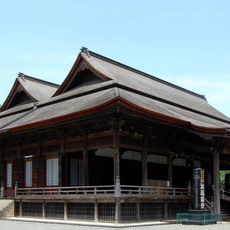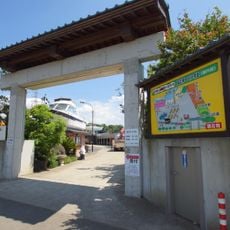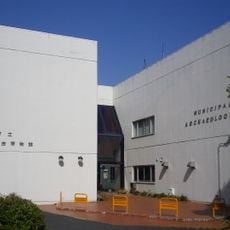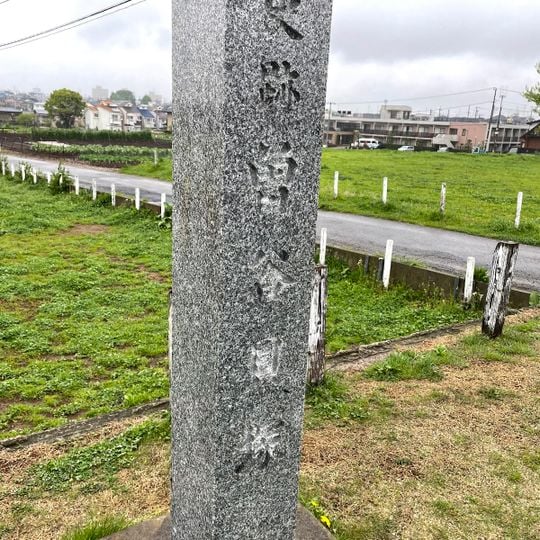
Soya Shell Mound, Shell midden in Soya, Ichikawa, Japan
Soya Shell Mound is a horseshoe-shaped Jōmon midden and settlement site on the left bank of the Kokubun River, measuring 240 m north-south by 210 m east-west. Its east side has two shell layers and its west side one, with smaller middens at the foot of the main mound. Excavations found 38 pit dwellings, 21 storage pits and 20 human remains.
The site was inhabited during the Jomon period between 4000 and 2500 BCE, when people survived by fishing and gathering shellfish. The layered deposits show how their way of life changed over centuries.
The site gives its name to Soya-style pottery, a late Jōmon type named by Yamanouchi Sugao in 1939 after finds in a pit dwelling here. The original type sherds went missing and were called the "phantom pottery" until they were rediscovered in 1987. A storage pit held many Ostrea denselamellosa shells used to make shell bracelets, suggesting production for trade beyond the settlement.
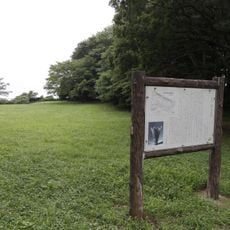
The excavated area was backfilled after digging, so the midden now lies under ground largely ringed by housing. Reach it on foot in about five minutes from the Soya bus stop, served by Keisei buses from Ichikawa Station on the JR Sobu Line. Look for the marked site rather than open shell layers.
The shell deposits here represent one of the largest accumulations along Japan's Pacific coast, offering rare insight into ancient food practices. Researchers can trace dietary patterns and living habits across many centuries from these layers alone.
The community of curious travelers
AroundUs brings together thousands of curated places, local tips, and hidden gems, enriched daily by 94,129 contributors worldwide.