Higashiyama Ryōzen Castle, Sengoku-period castle ruin on Mount Ryōzen in Higashiyama, Kyoto, Japan
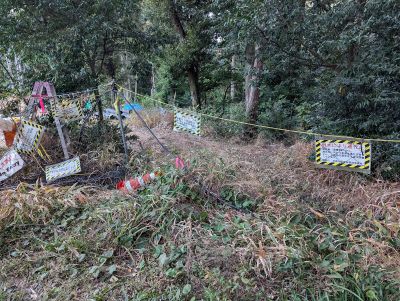
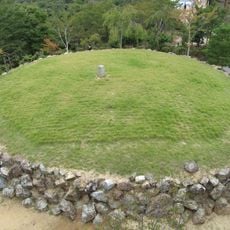
Higashiyama Ryōzen Castle is a Sengoku-period yamajiro built from 1552 by shogun Ashikaga Yoshiteru on Mount Ryōzen (176 m) in Kyoto's Higashiyama ward. Earthworks remain: three enclosures on the summit's east, west and south sides, with two dry moats on the east and one on the south. A stone monument to Itō Hirobumi stands in the western enclosure.
Higashiyama Ryōzen Castle was built from 1552 by shogun Ashikaga Yoshiteru, allied with Miyoshi Nagayoshi against Hosokawa Harumoto. Harumoto burned Gojōzaka and attacked in late 1552 but was repelled at the Shimizuzaka fighting. In 1553 Yoshiteru and Nagayoshi turned against each other; the Miyoshi took the castle on 1 August 1553 and burned it, and it was abandoned. Yoshiteru then withdrew to Kutsuki for five years.
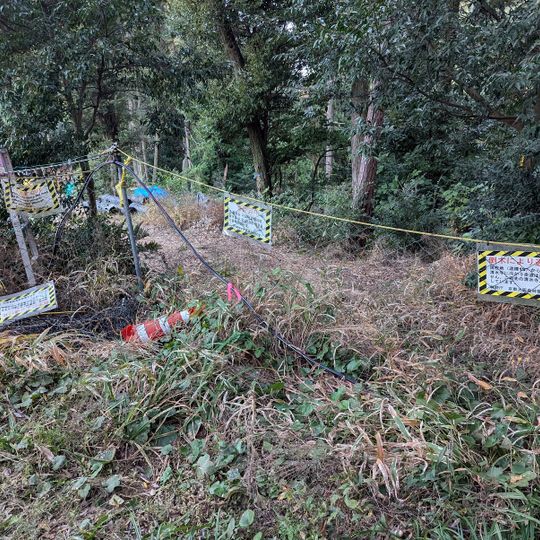
The remains showcase traditional Japanese fortification methods that visitors can observe directly in their layout and construction. You can see how builders used the hillside position to create strong defensive advantages.
The archaeological site is accessible by public transportation and has informational signs explaining the structural features. Wear sturdy shoes since the terrain is hilly and uneven in places.
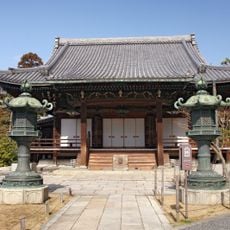
On the western bailey stands a stone monument inscribed with a Chinese-style poem by Itō Hirobumi, whose pen name was Shunpo. The castle's earthworks were partly destroyed by the growth of surrounding temples such as Shōbō-ji, Kōdai-ji and Kiyomizu-dera.
The community of curious travelers
AroundUs brings together thousands of curated places, local tips, and hidden gems, enriched daily by 93,792 contributors worldwide.