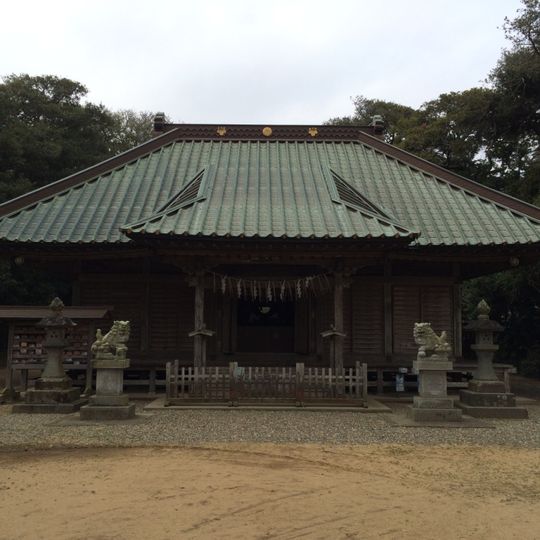
Uminaka-hachimangū, Shinto shrine in Japan
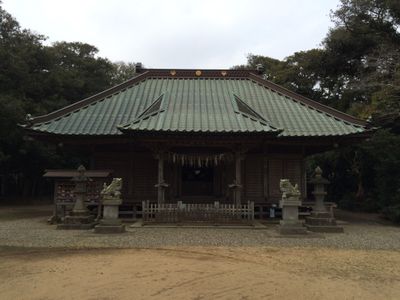
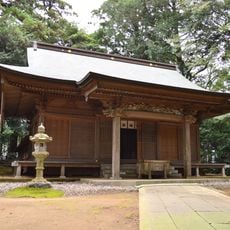
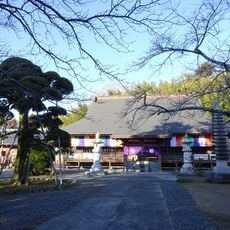
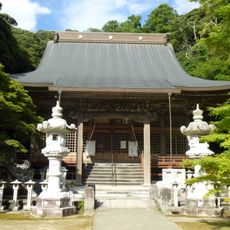
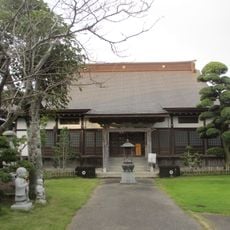
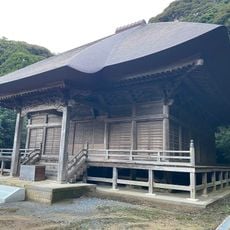
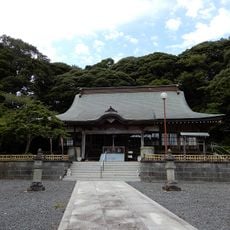
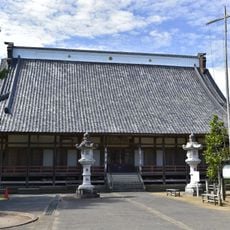
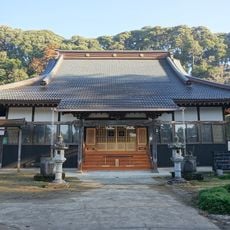
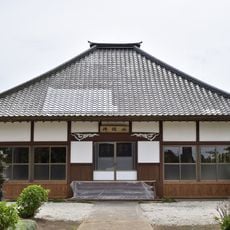
Uminaka-hachimangū is a Shinto shrine in Choshi, Japan, dedicated to the deity Hachiman. The sanctuary features simple, traditional wooden structures with a gabled roof, lined with stone lanterns along the pathways that mark the boundary between the everyday and spiritual worlds.
The shrine traces its origins to the legendary Emperor Ōjin from the 3rd or 4th century, whose veneration evolved over centuries from an oracular figure to a protector of the nation and its warriors. Association with the powerful Minamoto samurai clan further elevated its importance among those seeking protection and strength.
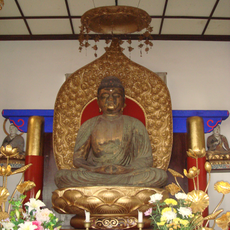
The shrine is dedicated to Hachiman, a deity revered as a protector of warriors and communities. Visitors notice wooden statues depicting the god in monk robes, reflecting the blend of Shinto and Buddhist traditions that characterizes Japanese religious practice.
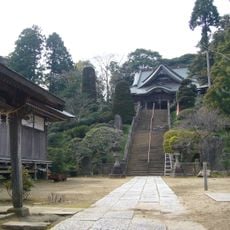
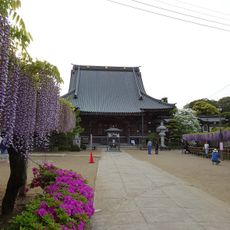
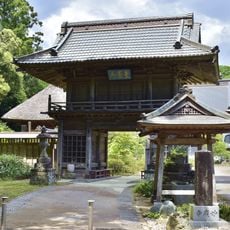
Visitors can explore the quiet pathways of the shrine, where stone lanterns and small statues line the routes, creating a respectful atmosphere throughout. The grounds are well-maintained with small gardens, making it an accessible place for peaceful moments and experiencing traditional practices.
The symbol of the dove, considered a messenger of Hachiman, appears in the shrine's name and imagery, representing peace and communication. Visitors also notice the swirling tomoe pattern, believed to represent spiritual power and the flow of energy in Japanese belief.
The community of curious travelers
AroundUs brings together thousands of curated places, local tips, and hidden gems, enriched daily by 90,856 contributors worldwide.