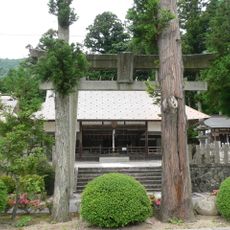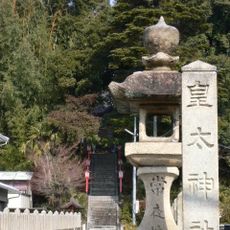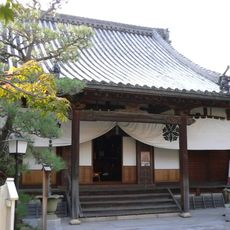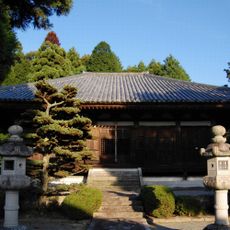
Hazu hachiman-jinja, Shinto shrine in Japan
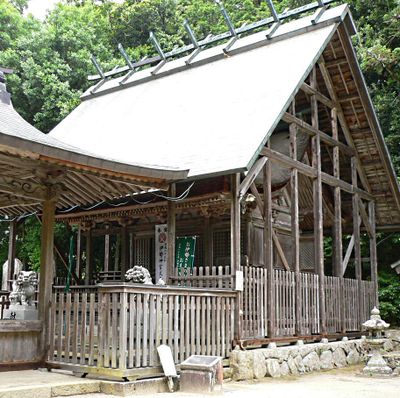
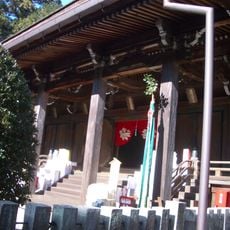
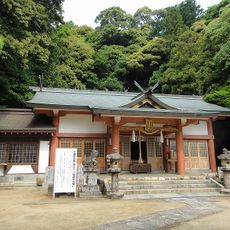
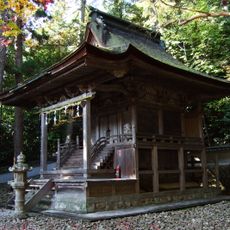
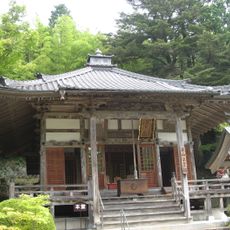
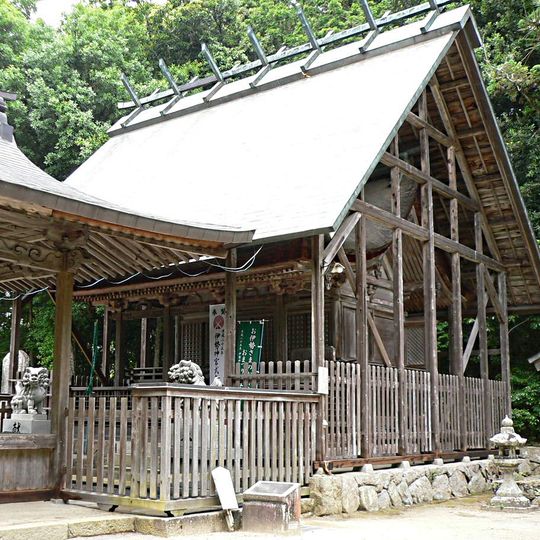
Hazu hachiman-jinja is a Shinto shrine built in the nagare-zukuri architectural style, defined by an asymmetrical roof that slopes gently on one side and extends far beyond the walls, creating a sheltered area. Round wooden pillars support the structure, while a raised veranda with simple railings leads up wooden steps to the sanctuary entrance.
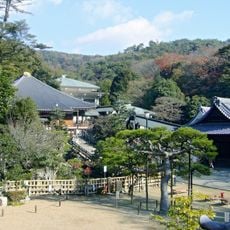
This shrine has served as a gathering place for the local community for many centuries, representing a long tradition of worship and connection to the land. Its simple construction and weathered wood reflect the enduring presence of spiritual practice in Japanese village life.
The shrine is dedicated to Hachiman, a deity worshipped throughout Japan for protection and good fortune. Visitors participate in simple rituals like ringing a bell and offering quiet prayers that form part of the daily spiritual life of the local community.
The shrine is usually open during daylight hours and requires no entrance fee, though visitors should respect the quiet setting and proceed thoughtfully. Take care with the wooden stairs and follow simple etiquette like gentle movement and quiet behavior within the sacred space.
The nagare-zukuri design became popular in Japan because it is efficient to build and maintain, relying on the flowing roof and natural wood for beauty rather than elaborate decoration. This style allows the building to blend gently with its surroundings, creating harmony with the natural landscape.
The community of curious travelers
AroundUs brings together thousands of curated places, local tips, and hidden gems, enriched daily by 92,147 contributors worldwide.