Kumano-jinja, shrine in Natori, Miyagi
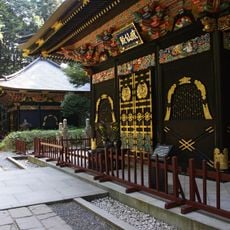
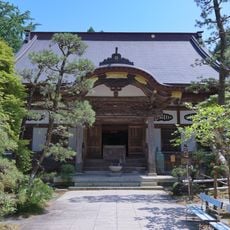
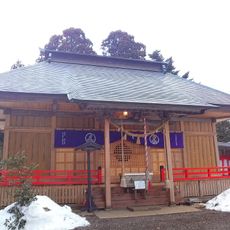
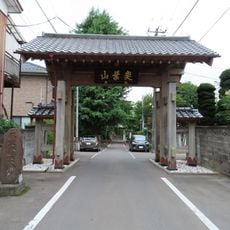
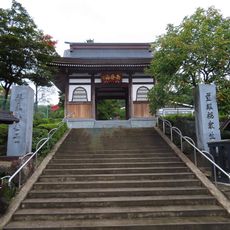
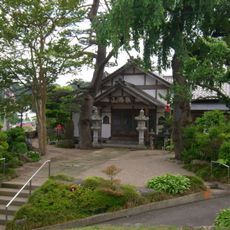
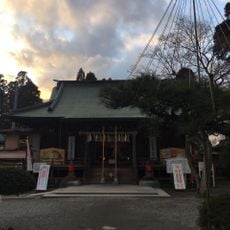
Kumano-jinja is a Shinto shrine in Natori, Miyagi Prefecture, one of the three Natori Kumano shrines. Its main sanctuary, Shin-gu Shōjō-den, is built in the Kumano style, the only example in Miyagi Prefecture, with the Nachi Hiryū Gongen-sha to the east and the Hongū Jūnisha Gongen-sha to the west, plus the Rōjo-gū. A pond called Otearai lies before the worship hall, with a kagura hall and a Benzaiten hall on its island.
Founded in 1123 as Kumano Shingū-sha, one of the three Natori Kumano shrines modelled on the Kumano sanzan of Kishu, it became the centre of Kumano worship in the Tōhoku region. In the Middle Ages the Natori Kumano bettō held religious and military power here. From 1514, when Date Tanemura exempted its shrine lands from levies, the Date lords of Sendai granted it privileges and donations. It later absorbed the other two Natori Kumano shrines and took the name Kumano-jinja.
The Kumano faith, which links deities to natural forces, is at the heart of this shrine. Visitors can see prayer plaques and small offerings left by worshippers, showing that the local community still uses this place for active devotion.
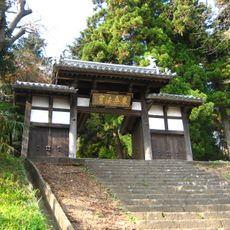
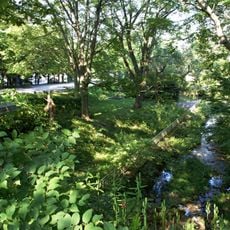
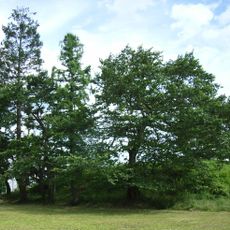
The shrine sits in the Takadate area of Yoshida, in Natori City, and is open during daylight hours, with parking available nearby. The path up to the main hall winds through trees and is easy to follow, though some steps make it better suited for visitors who can walk comfortably.
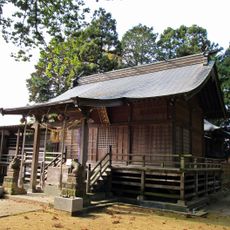
The shrine's three sanctuaries reproduce the Kumano trio of Kishu: Shingu Shoseiden in the centre, Nachi Hiryu Gongensha to the east and Hongu Junisha Gongensha to the west, with the Rōjo-no-miya beside it. The Shoseiden and Nachi halls are the only examples of Kumano-zukuri architecture in Miyagi Prefecture, while the Junisha Gongensha is built in the three-bay nagare-zukuri style.
The community of curious travelers
AroundUs brings together thousands of curated places, local tips, and hidden gems, enriched daily by 94,372 contributors worldwide.