Sanada-jinja, Hiratsuka, Shinto shrine in Japan
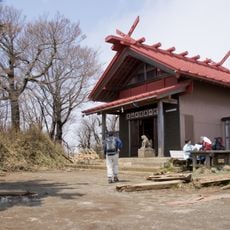
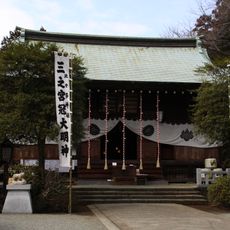
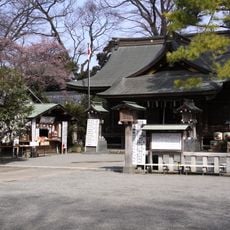
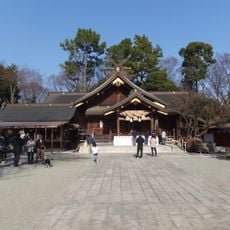
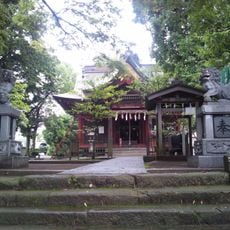
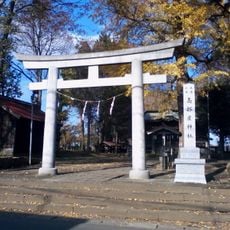
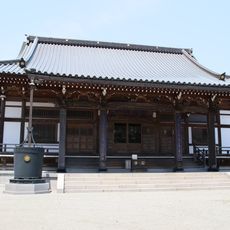
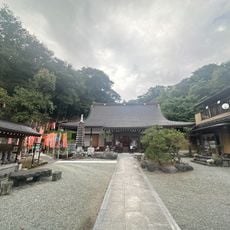
Sanada-jinja is a small Shinto shrine in Hiratsuka with traditional wooden architecture and a simple, well-maintained structure. The grounds feature stone lanterns and a water basin for ritual purification, with narrow paths winding through trees and a modest main hall containing a small altar.
The founding year is unknown. In 1591 Tokugawa Ieyasu granted the shrine a fief of one koku and five to (about 270 litres) of rice. It was renamed Yasaka Shrine in 1870 and took its present name, Sanada-jinja, in 1876; it held the rank of village shrine (sonsha).
The shrine's name comes from Sanada village, and it was called Yasaka-jinja from 1870 until 1876, when it took its present name. Its summer festival in early July was once famous for a farm-tool market so busy that donors listed on the surrounding fence came from a wide area.
The shrine is about a 30-minute walk from the south exit of Tokaidaigaku-mae Station on the Odakyu Odawara Line, or a short walk from the Sanada-jinja-mae bus stop on the Kanagawa Chuo Kotsu Tsuru 12 route. The grounds are compact and level, with a gravel path leading from the torii to the main hall. The keyaki tree is marked as a protected tree of Hiratsuka.
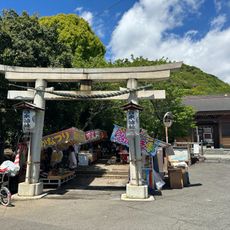
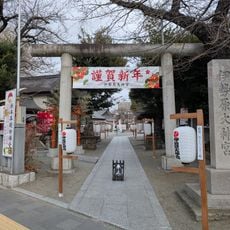
The torii standing at the entrance dates from 1863 (Bunkyū 3), the third year of the Bunkyū era, and is the oldest structure named in the shrine's records. The shrine was renamed Yashiro in 1870 and took its present name Sanada-jinja in 1876. A large keyaki zelkova on the grounds is listed by Hiratsuka as a protected tree.
The community of curious travelers
AroundUs brings together thousands of curated places, local tips, and hidden gems, enriched daily by 95,330 contributors worldwide.