Ishitsukuri-jinja, Tamatsukuri-jinja, Shinto shrine in Japan
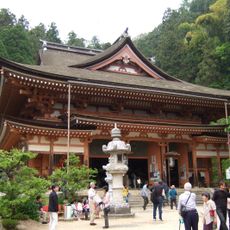
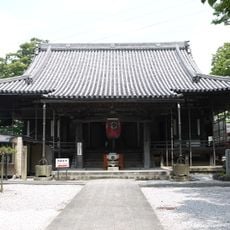
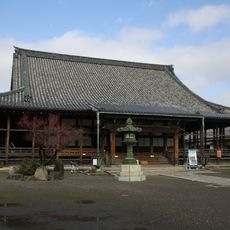
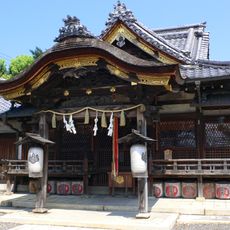
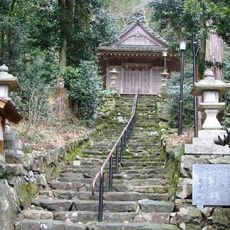
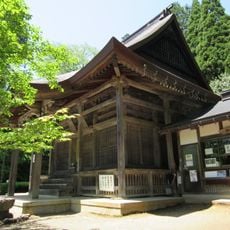
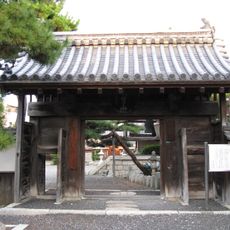
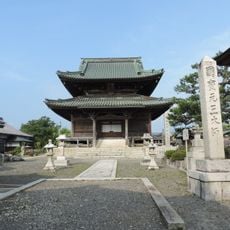
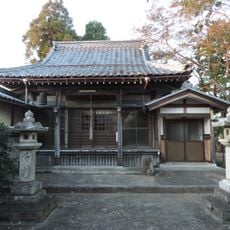
Ishitsukuri-jinja and Tamatsukuri-jinja are two small Shinto shrines located close to each other in Nagahama, distinguished by their characteristic nagare-zukuri architectural style with gently curved roofs. The wooden buildings are simple yet carefully crafted, situated among trees with stone pathways leading to sacred areas where visitors leave offerings and make prayers.
The exact origins of these shrines remain unclear as they were damaged during ancient conflicts, though a nearby mound called Ishitsukuri may mark where the originals once stood. Over centuries, they were gradually recognized as village, regional, and prefectural shrines, reflecting their growing significance to the local community.
The shrines' annual observances are the Okonai rite on 4 February and the regular festival on 5 April. The paired names refer to stone-working (Ishitsukuri) and gem-working (Tamatsukuri), and the enshrined deities are Ame no Hoakari for Ishitsukuri-jinja and Tamanoya no Mikoto for Tamatsukuri-jinja, ancestral figures of those crafts.
The two shrines stand together in a rural part of Nagahama, with the main festival held on 5 April and the Okonai rite on 4 February. Public transport is limited, so arriving by car is the simplest option. There are no visitor facilities; bring your own offerings if you wish to take part.
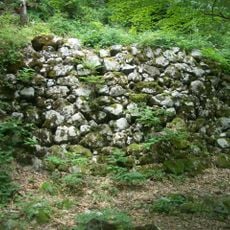
The mound called Ishitsukuri, in the rice fields nearby, is fenced off as a no-entry site (kekkai) and is handed down as the shrines' former grounds. The two shrines are listed in the Engishiki as shrines of the region, and the paired names recall stone-working and jewel-working crafts.
The community of curious travelers
AroundUs brings together thousands of curated places, local tips, and hidden gems, enriched daily by 95,355 contributors worldwide.