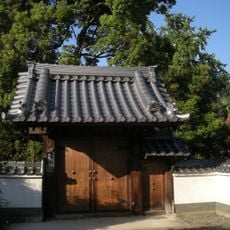
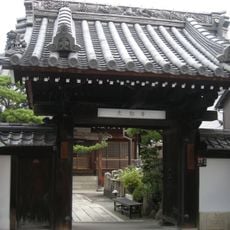
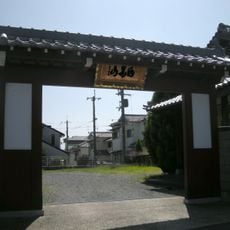
Iwatemori-jinja, Shinto shrine in Japan
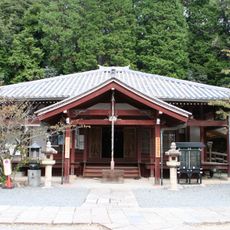
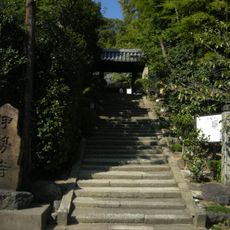
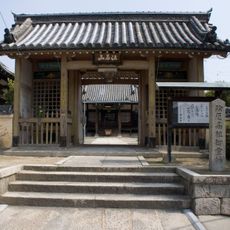
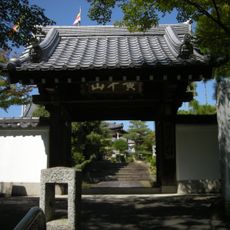
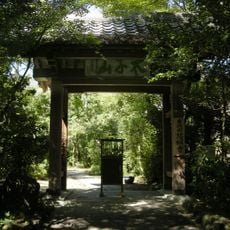
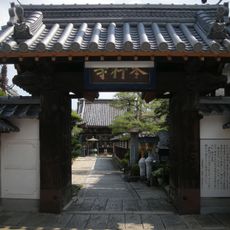
Iwatemori-jinja is a Shinto shrine in the Ama-Iwate district of Takatsuki, Osaka Prefecture. Its main hall was rebuilt in 1622 after the original was burned in the Tenshō era wars; the torii and main hall were moved here in 1911 when Ubuyama's Kumine Shrine was merged into it. The shrine stands at the foot of Ama-Miyayama hill, where the Ama-Miyayama burial mound lies in what was once shrine land.
Tradition dates the shrine's founding to 666, when it stood by the Hiodo River below Mount Aman and was called Aman-jinja. When the area became a Kasuga Taisha estate in Nara, the village enshrined Kasuga Daimyojin and renamed it Kasuga-jinja. Emperor Go-Toba visited in 1195; Takayama Ukon's troops burned it in the Tensho era, and the present hall was rebuilt in 1622. In 1911 it merged with Kumine-jinja of Bessho and took its current name.
Iwatemori-jinja is a shrine where visitors perform everyday prayers and wishes by offering coins and ringing a bell. People participate in traditional purification rituals, washing their hands and mouth at a water basin before approaching the sacred space.
The shrine is easy to reach on foot from nearby bus stops and train stations, located in a quiet residential area of Takatsuki. It is a simple place to visit without crowds, allowing you to spend time at your own pace in a calm setting.
The shrine's name comes from Iwate no Mori, the sacred grove that was celebrated as an utamakura poetic place-name. Within the grounds stands the Anmamiyayama Kofun, a burial mound on a hill that was originally shrine land and was guarded by generations of priests.
The community of curious travelers
AroundUs brings together thousands of curated places, local tips, and hidden gems, enriched daily by 94,931 contributors worldwide.