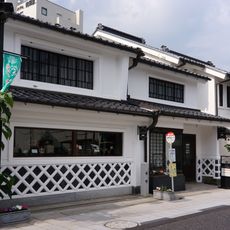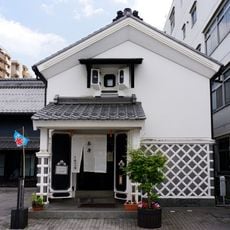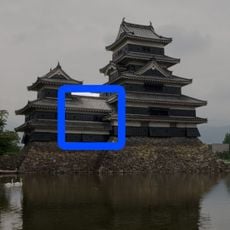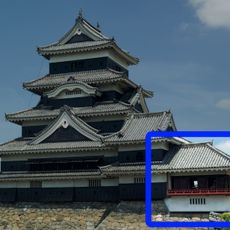
神宮寺, Buddhist temple in Matsumoto, Japan
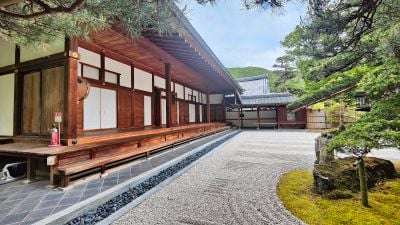
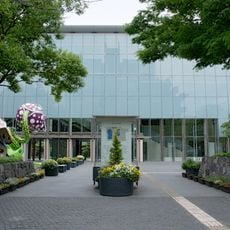
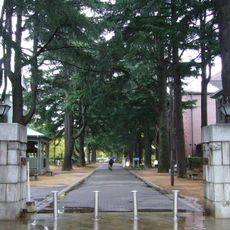
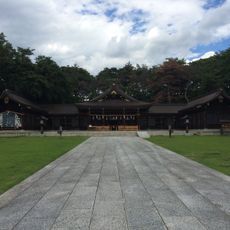
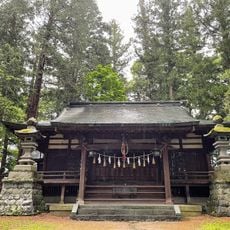
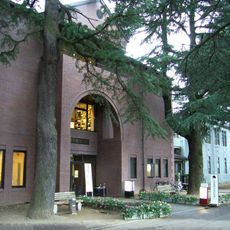
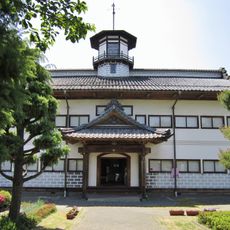
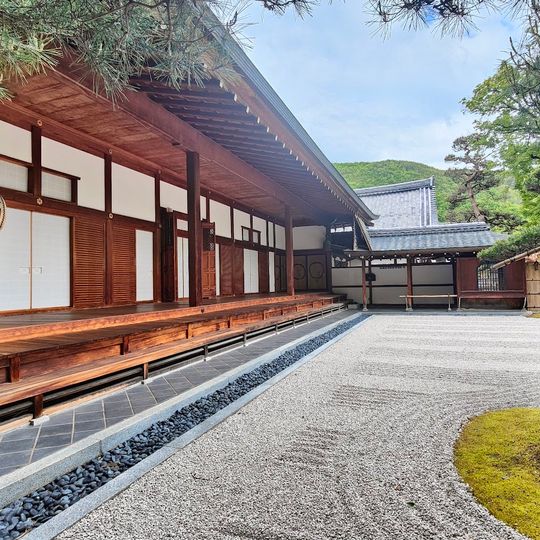
Jinguji is a Rinzai-shu Myoshinji-ha temple in the Asama Onsen district of Matsumoto, Nagano Prefecture, with the mountain name Iozan. It was founded as the betto temple of Misha Shrine immediately to its north. Its main hall was rebuilt in 1998 and holds sliding-door paintings by the painters Iri Maruki and Toshi Maruki.
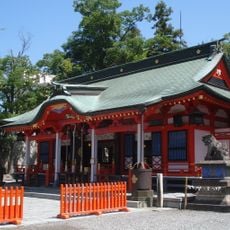
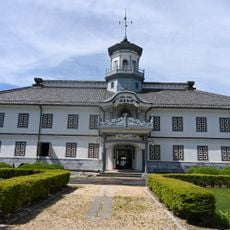
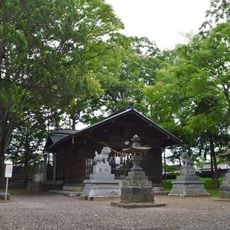
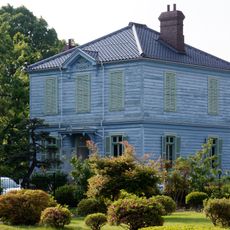
Jinguji was founded as a betto-ji (administrative temple) of Misha Shrine, immediately to its north. It began as a Shingon temple, later joined the Rinzai Kencho-ji school, and now belongs to the Rinzai Myoshin-ji school. No records from its founding survive. The main hall was rebuilt in 1998, and the Yakushi hall, first built in 1674 by Mizuno Tadanao, was later reconstructed to a design by University of Tokyo architect Fujishima Iejiro.
Jinguji was founded as the betto-ji, or administrative temple, of Misha Shrine immediately to its north, and the two sites remain neighbours in Asama Onsen. The temple's mountain name, Iozan, refers to Yakushi Nyorai, the healing Buddha, whose late-Fujiwara-period wooden image is a Matsumoto city cultural property. The main hall, rebuilt in 1998, holds sliding-door paintings by the painters Maruki Iri and Maruki Toshi.
Jinguji stands in the Asama Onsen district of Matsumoto, not near Matsumoto Station; reach it by bus or car toward Asama Onsen. The temple is the betto-ji, or affiliated temple, of Misha Shrine immediately to its north, so the two are visited together. The main hall dates from 1998 and the Yakushi hall was rebuilt to a design by Eijiro Fujishima of the University of Tokyo.
The temple's main hall was rebuilt in 1998 and holds sliding-door paintings by the painters Maruki Iri and Maruki Toshi, known for their Hiroshima panels. The grounds also contain a stone Buddha by the sculptor Moriya Teiji and a poem monument to Takahashi Gen'ichirō.
The community of curious travelers
AroundUs brings together thousands of curated places, local tips, and hidden gems, enriched daily by 93,589 contributors worldwide.