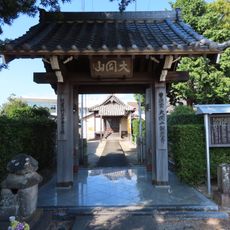
Hada Hachimangū, Shinto shrine in Japan
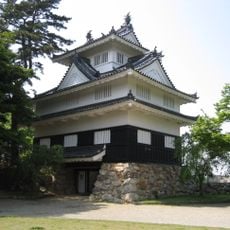
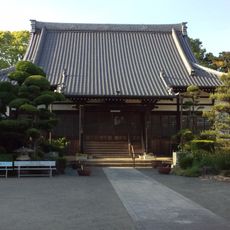
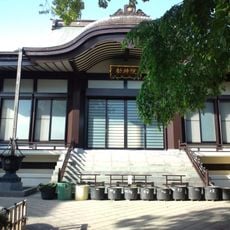
Hada Hachimangū is a Shinto shrine in Toyohashi dating from the late 600s. The grounds feature traditional wooden buildings, including the haiden where visitors pray and make offerings, set among well-maintained gardens and large trees.
According to shrine tradition, Hada Hachimangū was founded in 698 by local residents. The shrine itself was moved in 1289, and its hall was relocated to the present site in 1712. A drum said to have been donated by Oda Nobunaga during a military campaign in the Tenshō era survives, and Tokugawa Ieyasu is said to have visited. The current hall was built in 1933.
The shrine is dedicated to Ōjin, a deity worshiped for good fortune, health, and safety. Visitors often leave written wishes on wooden plaques and make offerings, showing how the community maintains a living connection to this sacred place.
The shrine is easily accessible by public transport and lies just a short walk from Toyohashi Station, which connects to major train lines. There is no parking available at the shrine itself, so taxis or public transit are the best options for visitors.
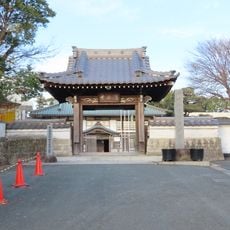
The shrine's storehouse and gate are former buildings of the Hada Hachimangū Bunko, a library opened in 1848 by the Shinto priest and kokugaku scholar Hada no Takao. Its old collection, around 9,200 items including hanging scrolls, letter boxes and books, is a prefectural cultural property; part is held by Toyohashi Central Library.
The community of curious travelers
AroundUs brings together thousands of curated places, local tips, and hidden gems, enriched daily by 93,441 contributors worldwide.