Funatsukayama Kofun, Ancient burial mound in Kansai, Japan.
Funatsukayama Kofun is a large burial mound shaped like a keyhole when viewed from above, consisting of two distinct sections. The rear portion forms a circle where graves and burial chambers were constructed, while the front expands into a trapezoid that once accommodated ceremonial activities.
This burial mound dates to the middle Kofun period between the 3rd and 7th centuries, when powerful clans across Japan constructed large earthen mounds as tombs for their leaders. The scale and complexity of such structures reflected the wealth and influence of the families who commissioned them.
The site served as a sacred location where ceremonies honoring the dead took place before burial, with the front section designed for these rituals. The layout reflects how ancient Japanese communities organized spaces for both spiritual practices and the interment of leaders.
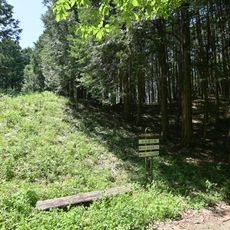
The mound can be viewed from designated areas, though access to the top is restricted to protect the archaeological remains inside. Visitors should wear comfortable walking shoes and bring water, as exploring the surrounding grounds involves moving along pathways around the structure.
Construction of this mound required coordination of thousands of workers who shaped earth into exact geometric forms over many years. The entire structure was ringed by protective moats that functioned both as physical barriers and as part of the ritual landscape surrounding the burial site.
The community of curious travelers
AroundUs brings together thousands of curated places, local tips, and hidden gems, enriched daily by 90,777 contributors worldwide.