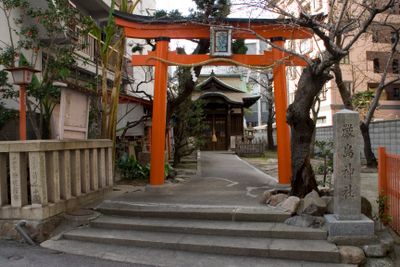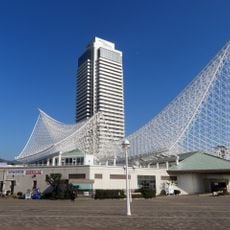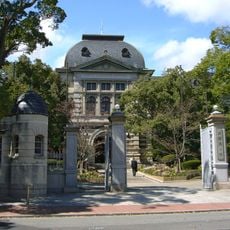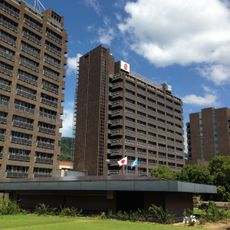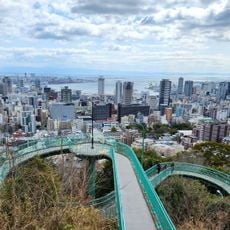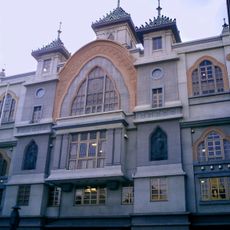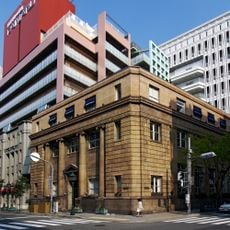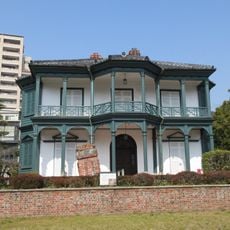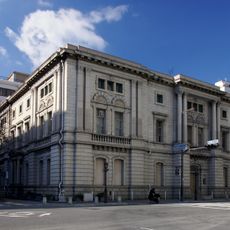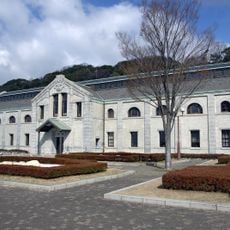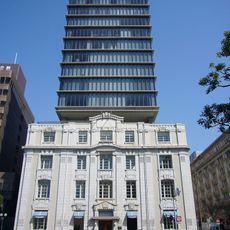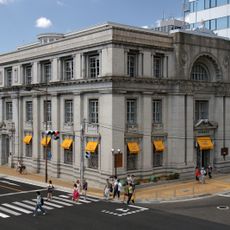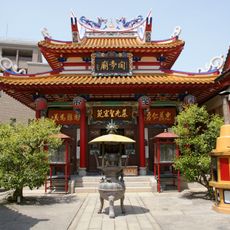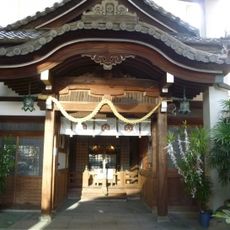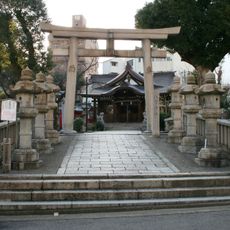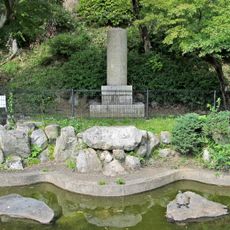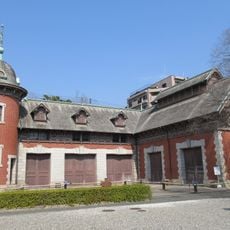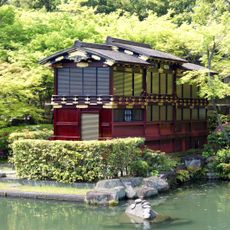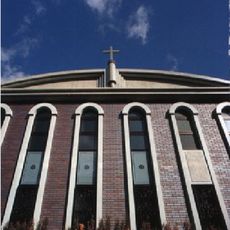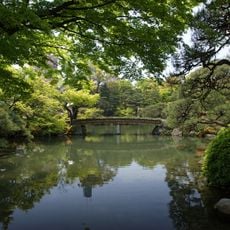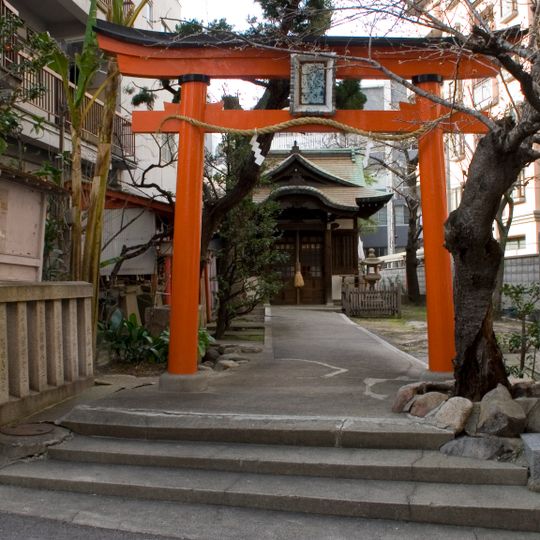
Itsukushima-jinja, A shrine located in Chuo Ward, Kobe, Hyogo Prefecture.
Itsukushima-jinja is a Shinto shrine on the island of Itsukushima, also called Miyajima, situated at the water's edge and known for its red torii gate that appears to float during high tide. The buildings are constructed on wooden stilts over the water with simple lines and traditional design, blending harmoniously with the natural surroundings.
The shrine was founded around 569 to honor the spirits of the sea and mountains. In the 12th century, the powerful warlord Taira no Kiyomori sponsored its expansion, transforming it into a major religious site that symbolized maritime strength for the region.
The shrine honors the three daughters of Susano-o, gods of the sea and storms, making it especially meaningful for fishermen and sailors who sought protection. The red and white colors of the buildings are characteristic of Shinto practice and create a lively presence against the natural surroundings.
Visitors can explore the shrine during daylight hours, best during changing tides when the torii gate's appearance shifts. Wear comfortable shoes as wooden paths and uneven ground require steady footing, and show respect by remaining quiet and removing shoes in designated areas.
The red wooden torii gate is rebuilt annually to maintain its condition, and the entire structure follows ancient Shinden-zukuri architectural style. The shrine is also a UNESCO World Heritage Site, admired for how it preserves traditional practices while adapting to the modern world.
The community of curious travelers
AroundUs brings together thousands of curated places, local tips, and hidden gems, enriched daily by 90,824 contributors worldwide.