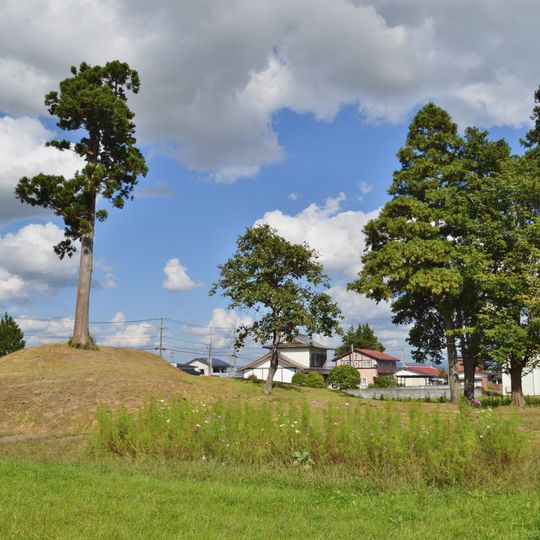
Tsunozuka Kofun, Keyhole-shaped burial mound in Isawa, Japan
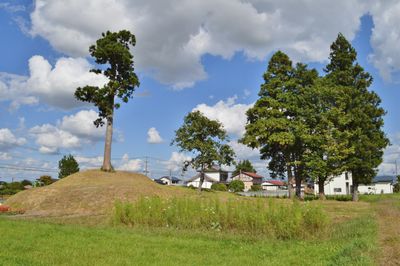
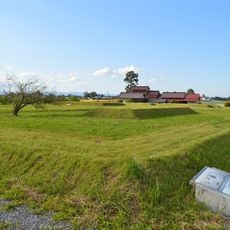
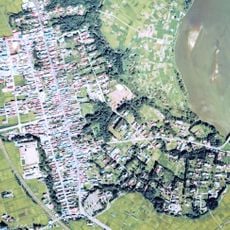
Tsunozuka Kofun is a keyhole-shaped burial mound featuring a circular section connected to a rectangular section, characteristic of this tomb style from ancient Japan. The earthen structure stands prominently on the landscape with its distinctive two-part form.
The burial mound was constructed in late antiquity, probably in the 5th or early 6th century, when such monuments were built across Japan. It represents the northernmost known keyhole-shaped tomb in the country, showing how this burial style spread geographically.
The clay figures discovered during excavations depict people, animals, and buildings, offering insight into ancient burial practices. These representations tell stories about daily life in that distant period.
The site is best reached by car, especially when traveling from the nearest train station, as the drive takes about 15 minutes. Having a vehicle makes it convenient to reach the location and spend more time exploring the grounds.
The artifacts discovered during excavation, including ceramic figures and stone coverings, are displayed at the Isawa Local History Museum for public viewing. This makes visiting the mound a good opportunity to learn more about the objects that were found there.
The community of curious travelers
AroundUs brings together thousands of curated places, local tips, and hidden gems, enriched daily by 90,825 contributors worldwide.