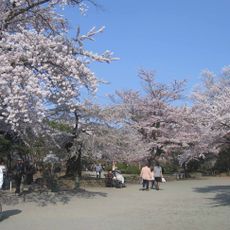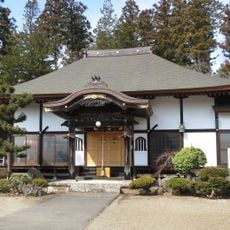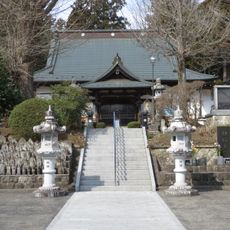
Shirotoridate, Castle ruin in Ōshū, Japan
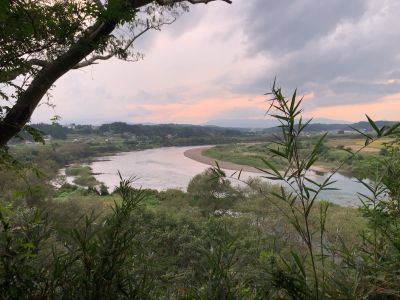
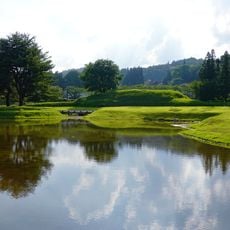
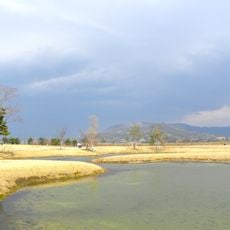
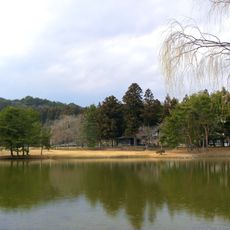
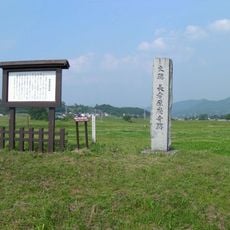
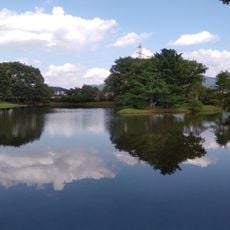
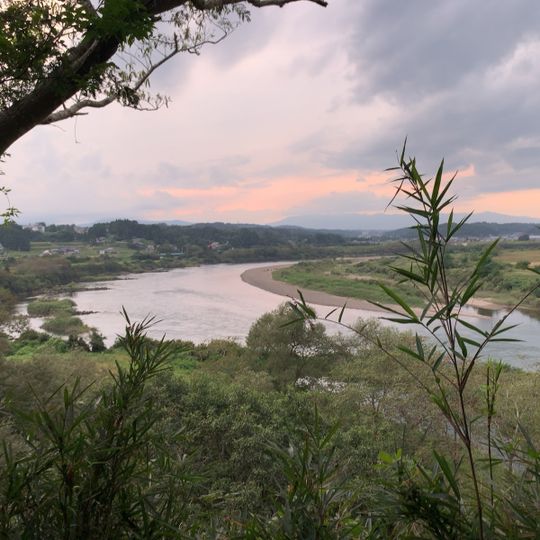
Shirotoridate is a castle ruin in Ōshū with fortifications, moats, and earthen ramparts positioned at a strategic bend of the Kitakami River. The remains show the layout of a medieval settlement with areas for crafts and residences.
The site was used from the 10th to the 16th century. Tradition holds that Shirotorihachirō Noritō, eighth son of Abe no Yoritoki, had his residence here in the late Heian period, and that Fujiwara no Kiyohira placed a palace here during the Gosannen War of 1083–1089. Excavations show a river port with craft production in the 12th and early 13th centuries, supplying Hiraizumi. It was added to the national historic site designation in 2005.
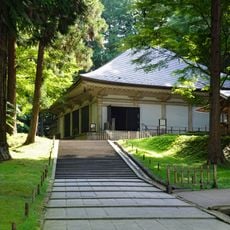
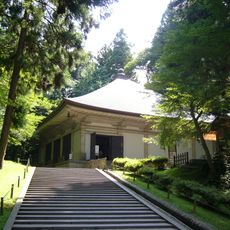
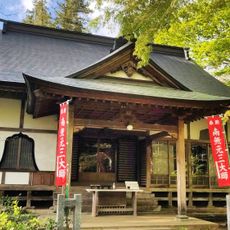
The site reveals how people once worked and lived here through objects left behind. Artifacts including beads and pottery suggest connections to the nearby Chuson-ji temple and the broader Hiraizumi region.
The site is located a few kilometers southeast of Maesawa Station and is accessible by local transport. Visitors should wear comfortable shoes as the ground is uneven and paths cross the ruins.
Excavations in 2003 and 2017 uncovered a blacksmith's forge and a kiln that stayed in use into the Kamakura period, plus crystal beads 1.8 cm across that closely match those on the statues at Chūson-ji. The site also yielded Chinese and domestic ceramics and unglazed kawarake wares.
The community of curious travelers
AroundUs brings together thousands of curated places, local tips, and hidden gems, enriched daily by 94,734 contributors worldwide.