Kamo-jinja, Shinto shrine in Murotsu, Tatsuno, Japan
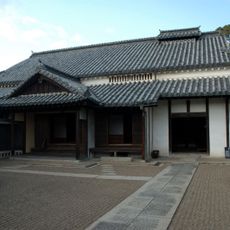
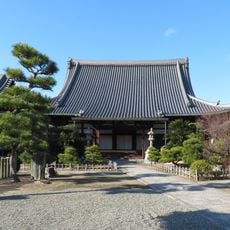
Kamo-jinja is a Shinto shrine in Tatsuno laid out on peaceful grounds with simple, well-maintained buildings and neat pathways. The site features small statues, offering stands, and traditional wooden structures that define its modest yet carefully kept appearance.
The shrine became a direct mikuriya estate of Kamowakeikazuchi-jinja during the Heian period, which ties its origin to that Kyoto shrine rather than to horses or farming. Its main hall is a three-bay nagare-zukuri building raised in 1699 (Genroku 12), and the other halls of the compound date from the same period. Eight structures, the main hall among them, are designated Important Cultural Properties of Japan.
The shrine is also known as Muromyōjin, and its name links to the Kamo Wakeikazuchi Shrine of Kyoto, whose direct mikuriya land it became in the Heian period. The April Koshōgatsu festival features the hōnori uta song offering, a prefectural intangible folk cultural property. A cycad in the grounds marks the northern limit of the wild plant in Japan.
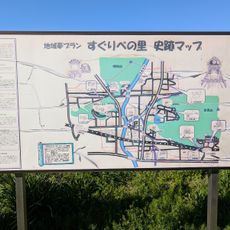
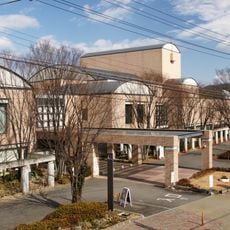
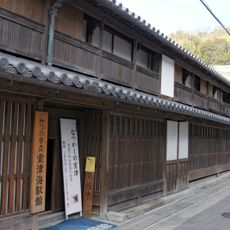
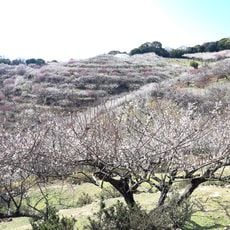
Kamo-jinja stands on Myōjin-yama in Murotsu, Mitsu-chō, Tatsuno, Hyōgo Prefecture, at 74 Murotsu. The nearest rail access is Sanyō Electric Railway's Sanyō-Aboshi Station, about 20 minutes away by car. The shrine is also listed near Murotsu Port, the Murotsu Folk Museum, the Ayabe-yama plum grove and Shinmaiko beach.
The shrine's cycad is the northernmost wild-growing one in the Japanese archipelago and is a prefectural cultural property. Philipp Franz von Siebold visited during his Edo journey and praised the view of the Harima Sea from the shrine's lodging hall.
The community of curious travelers
AroundUs brings together thousands of curated places, local tips, and hidden gems, enriched daily by 93,650 contributors worldwide.