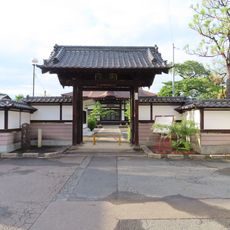
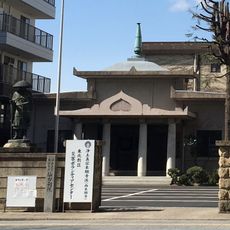
Kamo-jinja, Sendai, Shinto shrine in Japan
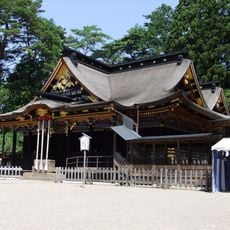
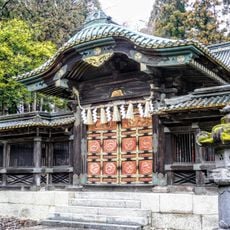
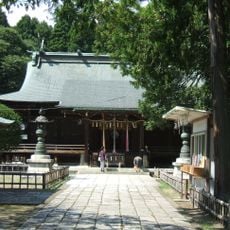
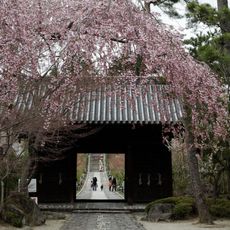
Kamo-jinja in Izumi-ku, Sendai, consists of two parallel shrines facing southeast: Shimogamo Shrine (Kamo Mioya Jinja) on the east and Kamigamo Shrine (Kamo Wakeikazuchi Jinja) on the west, plus the Yatagarasu Shrine within the grounds. Both main halls are built in the thatched kayabuki-hakomune style. The precinct lies on a narrow river terrace between the Nanakita River and the Nanakita hills, with many old trees.
The shrine's origin is Tadasu-no-miya, a private shrine of a Shikama Shrine priest in Rifu village. It was moved into Shikama Shrine in 1607 and again within its grounds in 1663. In 1696 it was relocated to the former estate of Date retainer Furuuchi Shima Yoshinori as Shimogamo Shrine, and Kamogamo Shrine was invited the following year.
Locals call the two halls Higashi-no-miya (east) and Nishi-no-miya (west), and the whole shrine "Tadasu-sama" after its earlier name, or "Aka-gami-sama" for the colour of the buildings. The January 14 Donto festival draws about 30,000 visitors and includes a naked pilgrimage (hadaka-mairi) that closes nearby roads.
Take the Sendai subway Namboku Line to Yaotome Station, then a Miyagi Kotsu bus from the station terminal to the Kamo-jinja bus stop, about one minute on foot. By car, leave the Tohoku Expressway at the Izumi parking-area smart interchange and follow Routes 35 and 264. The shrine sits on a narrow river terrace beside the Nanakita River, with the west shrine (Kamigamo) and east shrine (Shimogamo) facing southeast.
The shrine grounds hold a Yatagarasu Shrine, dedicated to the three-legged crow of Japanese myth, alongside the two Kamo sanctuaries. The precinct also preserves two Japanese maples and a tarayo holly designated prefectural natural monuments in 1999, plus two ring-cupped oaks named city monuments in 1985.
The community of curious travelers
AroundUs brings together thousands of curated places, local tips, and hidden gems, enriched daily by 94,626 contributors worldwide.