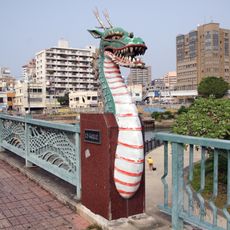
Port of Naha, Commercial port in Naha, Japan
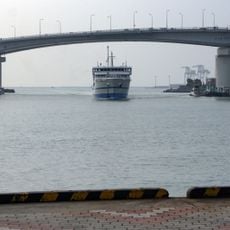
The Port of Naha extends along the East China Sea coastline and features multiple terminals for cargo and passenger ships at the Kokuba River mouth. The facility includes separate operational zones that handle continuous maritime traffic connecting the island and mainland areas.
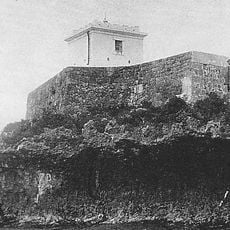
Trade with Asian kingdoms made the Kokuba River mouth a hub from the 15th century, when Naha, Tomari and Ansa were the Ryukyu Kingdom's three trading ports. Modern work began in 1907; by 1941 one 4,500-ton and three 2,000-ton ships could berth at once. The 1944 air raids left the port unusable, and after the war US forces rebuilt it for 20,000-ton vessels, returning it to the Ryukyu Government in 1954. The three wharves merged as the Port of Naha in 1972.
In the Ryukyu Kingdom era the port's merchants grew wealthy from transit trade, and Naha's warrior class ranked alongside those of Shuri, Kume and Tomari. The four Naha districts — Nishi, Higashi, Wakasa and Izumizaki — were headed by a Naha satonushi based at the Ufumi-dunchi, who also managed the Umon-dunchi storehouse. The port's three harbours, Naha, Tomari and Anze, were the kingdom's main trade gateways.
Cruise ships berth at Naha Cruise Terminal on Tomari Wharf (8th berth), not at Naha New Port, which has had no scheduled passenger services since 2022. The terminal is in Wakasa, a short distance from Tomari Port, so passengers cannot board there. The nearest monorail station is Miebashi; buses stop at Tomari-takahashi.
Between 1972 and at least 1997, Naha Port had a "station" with no tracks: Naha Port Station, a Nippon Express baggage counter marked by a station-name sign. Tickets issued there covered the Ryukyu Kaiun ferry plus onward Japan National Railways travel, connecting Kagoshima with Naha on a single ticket.
The community of curious travelers
AroundUs brings together thousands of curated places, local tips, and hidden gems, enriched daily by 94,831 contributors worldwide.