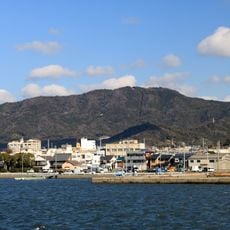
Chōman-ji, Buddhist temple in Kōta, Japan
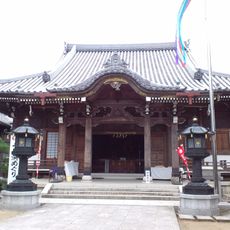
Chōman-ji is a Buddhist temple in Kota featuring traditional wooden buildings with curved roofs that represent Japanese Buddhist architectural style. Manicured gardens and open spaces for quiet reflection surround the main structures.
In 1332, Fukamizō castle lord Ōba Tomomitsu asked Myōryūin Nichijō to found a Hokke hall on this site; it was renamed Chōman-ji in 1344. Together with Obama Chōgen-ji and Amagasaki Chōon-ji, it counts among the three Chō temples of the Rokujō school. Its former branch temples include Shōrin-ji and Honryū-ji, both tatchū within Fukamizō.
Chōman-ji belongs to the Nichiren school and, with Obama Chōgen-ji and Amagasaki Chōen-ji, is counted among the "three Chō" of the Rokujō-monryū lineage. Its mountain name is Yoshiyama, and it is the head temple of the Enshi hōen (Ryūgen-kai) faction. Two sub-temples, Shōrin-ji and Honryū-ji, stand within the grounds.
The temple is a 15-minute walk from JR Mikawa-Sangane Station on the Tokaido Line. The grounds include the main hall and two sub-temples, Matsurin-ji and Honryu-ji. Visitors can walk the precincts and view the exterior of the halls.
Chōman-ji is one of the "three Chō" temples of the Rokujō-monryū line, alongside Obama Chōgen-ji and Amagasaki Chōon-ji. It also heads the Enshi hōen (Ryūgen-kai) faction; the tomb of its founder, Ryūgen-in Nichien, the 29th abbot of Mount Minobu, lies at Kyūjō-ji in Akita, not here.
The community of curious travelers
AroundUs brings together thousands of curated places, local tips, and hidden gems, enriched daily by 95,355 contributors worldwide.